

“Waterproof” in the world of decorative lighters means something specific: light moisture resistance, not survival-grade submersion protection. If you’re building a collection or shopping for a gift, the smartest move is to prioritize design integrity and reliable ignition over rugged outdoor claims that don’t apply to this category.
- The definition: moisture tolerance for splashes, humidity, or an accidental drop into a puddle, not rain-forest durability.
- The recommendation: choose a lighter for its finish, mechanism, and story first.
- Where to start: Allurecart’s collectible lines are built around exactly this philosophy.
TL;DR:
- Moisture resistance in decorative lighters covers splashes and humidity, not full immersion or outdoor durability.
- Butane systems seal fuel better and resist surface moisture, while flint-wheel igniters dry out quickly after getting wet.
- Brass and stainless steel finishes outperform plating and lacquer in longevity, especially under regular handling and exposure.
- Buyers should verify maker’s marks, provenance, and test ignition through videos or in person before purchasing.
- Allurecart’s models, like the LUMINO LIGHTER and GLOW LIGHTER, combine design-focused finishes with reliable ignition, aimed at collectors and gift buyers.
Table of Contents
- What Does “Waterproof” Mean in a Waterproof Lighters Guide?
- Which Materials and Finishes Resist Moisture Best?
- How Do You Choose the Right Decorative Lighter?
- How Should You Care for and Store a Decorative Lighter?
- How Do Allurecart’s Waterproof Lighter Models Stack Up?
- Why Allurecart Believes Design and Reliability Aren’t a Trade-Off
- Ready to Add a Reliable, Design-First Lighter to Your Collection?
- Key Takeaways
- Sources
What Does “Waterproof” Mean in a Waterproof Lighters Guide?
A true survival lighter is engineered to spark after a river crossing. A collectible piece is engineered to spark reliably after living in a coat pocket, sitting on a display shelf near a humid window, or surviving the occasional champagne toast gone sideways. That’s the real distinction this waterproof lighters guide draws, and it matters because the two product categories solve entirely different problems.
Ignition type drives how a lighter handles moisture. Flint-wheel mechanisms, the same style prized for tactile authenticity among collectors, can misfire if the flint wheel gets wet, but they dry out and recover fast. Butane systems seal fuel internally, so they tend to shrug off surface moisture better, though a soaked valve can still stall ignition until it dries. Spark (piezo-electric) mechanisms sit somewhere in between, generally resilient but not immune to a direct soaking.
Here’s where this actually plays out for you:
- A lighter riding in a jacket pocket during a light rain shower.
- A drink accidentally spilled near a display case or bar top.
- Humidity buildup in a glass cabinet during summer months.
Pro Tip: If you live somewhere humid, store butane lighters with the fuel valve closed and wipe down plated surfaces weekly. Moisture damage from ambient humidity happens far more often than from any dramatic spill.
Which Materials and Finishes Resist Moisture Best?
Solid brass and stainless steel form the backbone of most premium decorative lighters, and the difference between them shows up over years, not days. Brass develops a warm patina that many collectors actively want, while stainless resists tarnish almost entirely but can look sterile next to a piece with real history. Plated finishes (gold, gunmetal, chrome) look striking out of the box, but the plating thickness determines whether that shine survives a decade of handling or wears through at the edges within a year.
Lacquer and enamel work differently. They’re not metal at all; they’re a protective coat over metal, and that coat is the first thing to chip if a lighter gets dropped. A hairline crack in lacquer lets moisture reach the base metal underneath, which is where slow corrosion actually starts.
Internally, the seals, valves, and O-rings inside a butane lighter matter as much as the shell. A worn O-ring is often the real reason a lighter that looks pristine won’t hold flame reliably.
- Brass: ages into a patina many collectors prize, but reacts with skin oils and moisture over time.
- Stainless steel: highly moisture resistant with minimal patina development.
- Gold or gunmetal plating: elegant, but thin plating wears at contact points first.
- Lacquer/enamel coats: attractive but vulnerable to chip damage that exposes bare metal.
Value tracks condition closely. According to SebastianCharles Auctions’ valuation guide, common lighters typically sell in the $15 to $50 range, while luxury models in strong condition command $200 or more. A well-preserved finish is often the single biggest factor separating those two price bands.
How Do You Choose the Right Decorative Lighter?
Buying a collectible lighter is a different exercise than buying a disposable one, and treating it casually is how buyers end up with regret pieces. Run through this sequence before you commit:
- Match design to purpose. Decide whether this is a display piece, a daily-carry item, or a gift, since that changes how much you weigh delicate finishes against everyday durability.
- Test ignition reliability. Ask the seller for a video of the mechanism firing, or inspect it in person if at all possible.
- Check materials against your climate. If you live somewhere humid, favor stainless or well-sealed butane construction over thin plating.
- Verify provenance. Maker’s marks, date codes, and original packaging all support authenticity and future resale value.
- Confirm presentation quality. Boxing, documentation, and included accessories affect both gifting appeal and collector value.
Collectors typically anchor their search around one clear focus, whether that’s vintage-style flint mechanisms, luxury butane pieces, or figural novelty designs, because a defined focus makes authentication and valuation far more manageable.
Watch for these red flags:
- Vague or missing provenance information from the seller.
- Heavy corrosion disguised under a fresh polish job.
- A mechanism that “just needs a new flint” but won’t hold flame after servicing.
- Sellers unwilling to provide close-up photos or video of the ignition working.
How Should You Care for and Store a Decorative Lighter?
Cleaning technique depends entirely on the surface. Lacquered and enamel finishes want a soft, dry microfiber cloth only; anything abrasive or wet risks dulling the coat or working moisture under a hairline crack. Brass and stainless can tolerate a slightly damp cloth followed by immediate drying, but never a soak. Plated surfaces sit between the two: gentle, dry cleaning preserves the plating longest.
Fuel and flint care matters just as much as the exterior. Refill butane lighters only with high-purity fuel, since impurities clog the valve over time, and replace flints before they wear down to nothing rather than after ignition starts failing. High-end brands like Dunhill build their reputation around servicing, and that same principle applies at any collecting level: a lighter serviced regularly holds both function and value far longer than one left untouched for years.
- Store pieces in a cool, dry cabinet away from direct sunlight and radiators.
- Use silica packets in display cases if your climate runs humid.
- Wipe down after handling to remove skin oils before storage.
- Never store a butane lighter fully fueled in high heat.
Pro Tip: A well-maintained flame profile is one of the easiest ways to gauge a lighter’s overall health. If you want a deeper look at flame and wick troubleshooting principles that translate surprisingly well to ignition maintenance, this flame care guide breaks down the fundamentals.
How Do Allurecart’s Waterproof Lighter Models Stack Up?
Allurecart built its collection around the exact standard this guide describes: moisture tolerance paired with design that actually earns a place in a collection. The lineup spans steampunk detailing, modern minimalism, and novelty forms, but every model shares two priorities, a finish that holds up to real-world handling and an ignition mechanism that fires consistently.
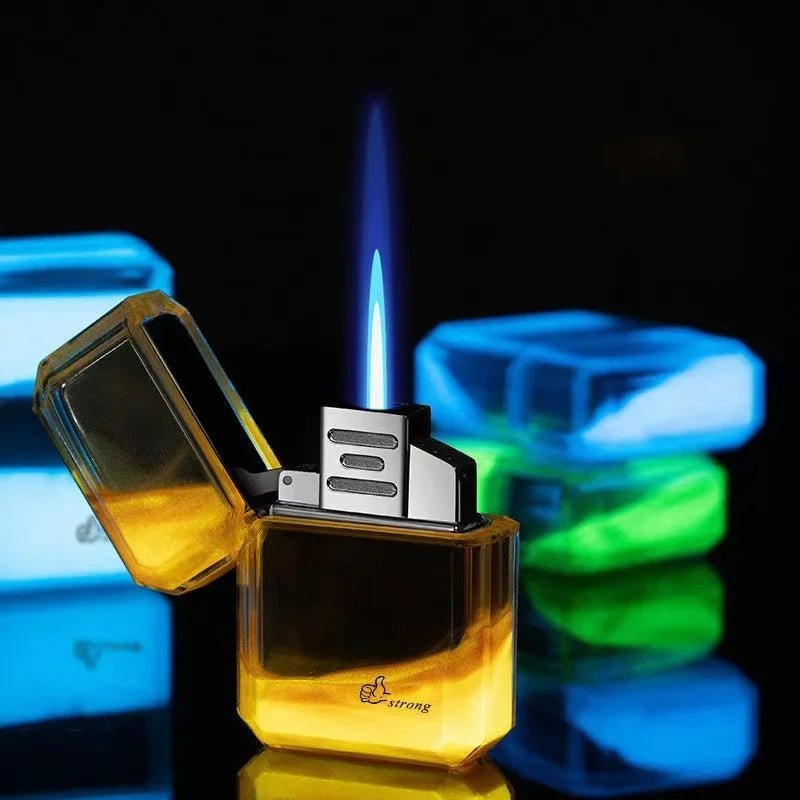
The LUMINO LIGHTER leans into striking visual presence without sacrificing spark reliability, making it a strong pick for buyers who want a display-worthy piece that still performs. The GLOW LIGHTER takes a similarly design-first approach with a finish built to resist the everyday moisture exposure this guide describes, splashes, humidity, damp pockets, rather than submersion. The Windproof Watch Lighter merges novelty watch-style aesthetics with a dependable flame, appealing directly to gift buyers who want a conversation piece that also works when it matters.
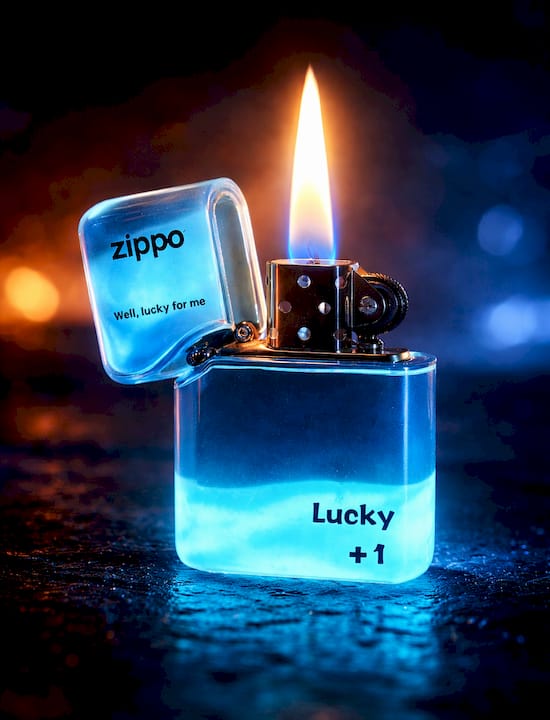
None of these models claims outdoor survival durability, and that’s intentional. They’re built for the collector’s shelf and the smoker’s pocket, not a backcountry trail, which is precisely the category this guide has been describing from the start.
Why Allurecart Believes Design and Reliability Aren’t a Trade-Off
Too many guides in this space frame moisture resistance and aesthetics as competing priorities, forcing buyers to pick one. Allurecart’s position is that a well-engineered ignition system and a striking finish aren’t in tension at all, they’re both outcomes of the same attention to build quality. A steampunk-themed lighter with a loose flint wheel is a failed product, no matter how good it looks on a shelf.
That’s the standard behind Allurecart’s range, and it’s why the brand backs its collection with free worldwide shipping on orders over $70. Reliable ignition and distinctive design should arrive together, not as a compromise you accept.
— Allurecart
Ready to Add a Reliable, Design-First Lighter to Your Collection?
Allurecart’s advantage over generic novelty sellers comes down to one thing: every model on this site is built to the same standard this guide describes, moisture-tolerant construction paired with ignition you can actually count on, instead of style with no substance behind it.
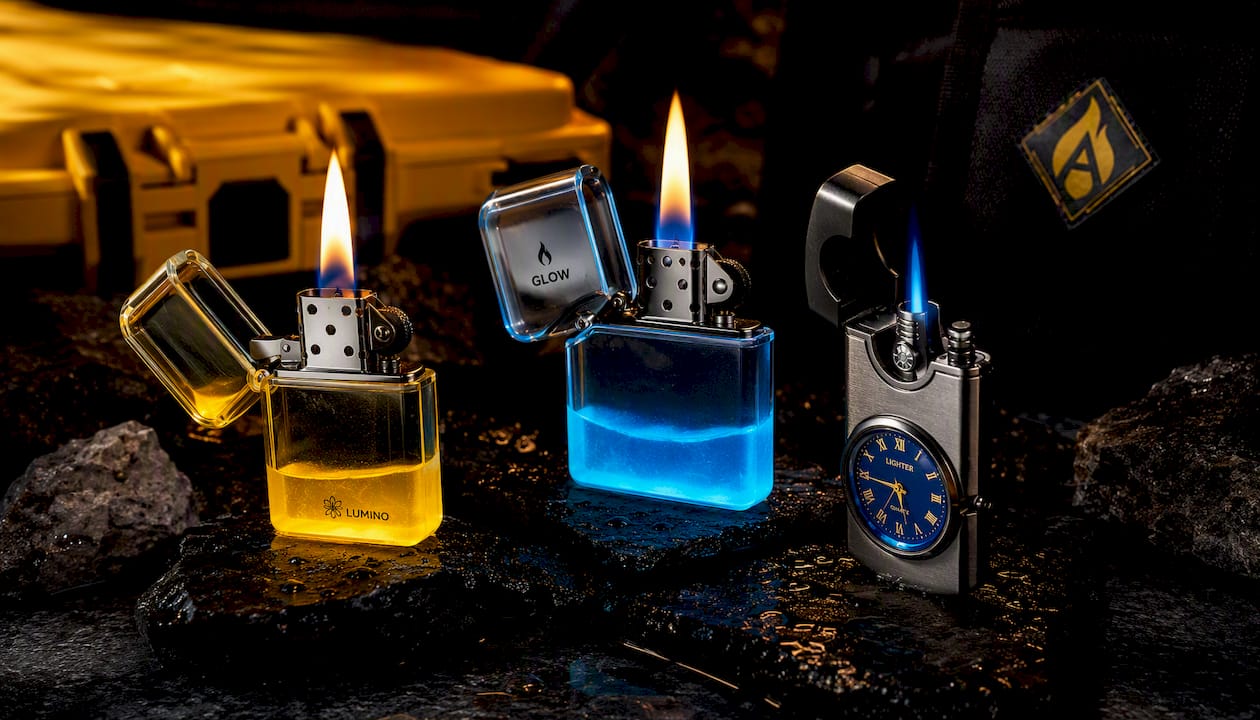
The LUMINO LIGHTER suits collectors who want a bold display piece with dependable flame output, while the GLOW LIGHTER offers that same design-first build in a distinct aesthetic. For gift buyers, the Windproof Watch Lighter delivers novelty appeal without giving up reliability. Each ships in presentation-ready packaging, making them gift-ready straight out of the box, and all three qualify toward free worldwide shipping on orders over $70. If you want extra peace of mind on a higher-value order, Allurecart also offers shipping protection for transit coverage.
Browse the full range at Allurecart’s lighter collection and pick the model that matches your display case, your pocket, or your next gift list.
Key Takeaways
Decorative lighters achieve genuine collector value by pairing moisture-tolerant materials and finishes with a consistently reliable ignition mechanism, not by chasing outdoor survival specs.
| Point | Details |
|---|---|
| Define “waterproof” correctly | This category means light moisture tolerance, not submersion-grade survival protection. |
| Match ignition to lifestyle | Butane resists moisture better; flint recovers fast; spark sits in between. |
| Judge finishes by longevity | Solid brass and stainless outlast thin plating and lacquer under regular handling. |
| Verify before buying | Request maker’s marks, service history, and ignition video proof from any seller. |
| Choose Allurecart for the standard | Models like the LUMINO LIGHTER and GLOW LIGHTER pair design-first finishes with reliable spark. |
Sources
- International Collectors Association | Collectible Lighters
- How Much Are Vintage Lighters Worth? Valuation Guide | SebastianCharles Auctions Blog
- Collecting vintage cigarette lighters (Collectors Weekly)
- The spark of legacy | dunhill lighter history