

Soft-flame lighters perform beautifully in calm or sheltered outdoor conditions but lose reliability once wind picks up past a light breeze. They excel at ambiance, candle lighting, and unhurried campsite tasks. For exposed ridgelines, boat decks, or gusty grill sessions, pack a windproof torch or hybrid jet as backup, and judge any soft-flame purchase by its ignition reliability, refill system, and wind-mitigating burner design rather than marketing language alone.
TL;DR:
- Soft-flame lighters struggle in wind speeds above 10 to 15 mph, making a windproof torch essential for exposed outdoor conditions.
- Recessed burners, hybrid jets, and diffuser shrouds improve wind resistance but do not match true windproof torches in gusty environments.
- A reliable outdoor lighter should have adjustable flame control, a durable ignition system, a standard refill valve, and a wind-mitigation design for consistent performance.
- Cold weather decreases butane pressure, so warming the fuel source before igniting can improve reliability in low temperatures.
- Carrying a backup windproof torch and maintaining fuel system components are key to uninterrupted outdoor lighting, especially during extended trips.
Table of Contents
- What Makes a Flame “Soft,” and How Does It Differ From a Torch?
- How Do Soft Flames Actually Perform Outdoors?
- Which Features Actually Predict Outdoor Reliability?
- How Do You Maintain and Refill a Soft-Flame Lighter for Trips?
- Allure Cart’s Outdoor-Ready Lighter Lineup
- How Do You Use a Soft-Flame Lighter Outdoors Without Wasting Fuel or Risking a Flare-Up?
- When We Pick Soft Flame vs. Torch for Outdoor Kits
- Shop Allure Cart’s Outdoor-Ready Lighters
- Further Reading and Primary Sources
- Sources
- FAQ
What Makes a Flame “Soft,” and How Does It Differ From a Torch?
A soft flame is a wider, lower-temperature flame produced when butane exits a burner at lower pressure through a diffuser that spreads the gas rather than concentrating it. That diffusion is what gives the flame its lazy, candle-like flicker and yellow-orange glow. A torch or jet lighter does the opposite: it forces butane through a narrow nozzle at high pressure, often mixed with extra air, to create a tight, roaring blue flame that burns hotter and holds its shape against moving air.
The mechanical difference explains almost everything about outdoor behavior. Wide, low-pressure flames have more surface area exposed to moving air, so a gust bends or snuffs them the way it would a candle. Narrow, high-pressure jets punch through that same gust because the fuel is moving fast enough to resist deflection. Some manufacturers try to split the difference with hybrid burners.
- Soft flame: low pressure, wide burner opening, diffused output, easily disrupted by wind
- Torch/jet flame: high pressure, narrow nozzle, focused output, wind-resistant by design
- Hybrid burner: partially focuses the flame to trade a little softness for meaningfully better wind resistance
That trade-off between flame width and wind resistance is not a manufacturing accident. It is physics, and it is exactly what you should look for on a spec sheet before assuming any lighter is “outdoor ready.”
How Do Soft Flames Actually Perform Outdoors?
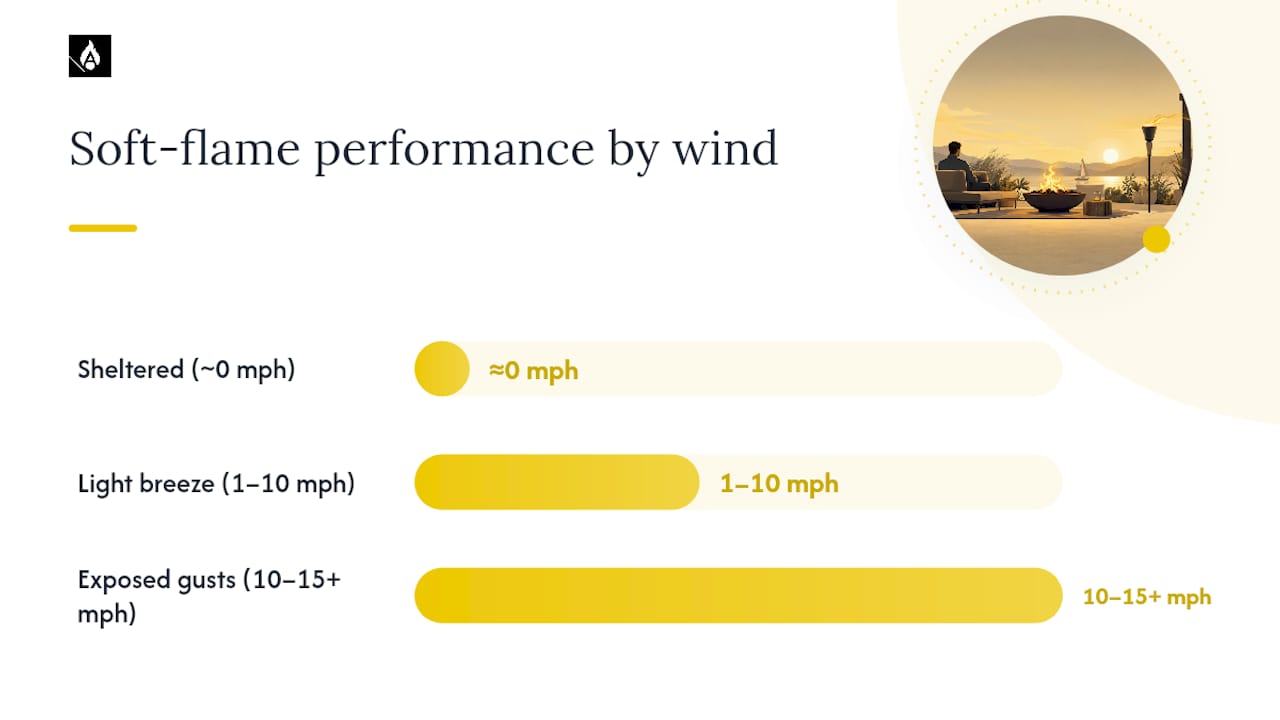
Wind is the variable that decides whether a soft flame is useful or frustrating, and performance breaks down into three rough tiers. In still air or a fully sheltered spot, a soft flame lights candles, cigars, or campfire kindling without drama and does it more comfortably than a screaming torch flame would. In a light breeze, roughly 1 to 10 mph, most soft flames still work if you angle your body as a windbreak, but ignition takes longer and the flame visibly leans. Past that, in gusts or fully exposed conditions above 10 to 15 mph, a standard soft flame becomes unreliable, and this is exactly where a windproof torch earns its keep.
Marketing terms muddy the water here. A “wind-resistant soft flame” typically means the burner has been reshaped to hold up better in a breeze, not that it will survive a genuine gust the way a true windproof torch does. Recessed burners and hybrid jets close that gap somewhat, but they are still not the same category of tool as a dedicated torch.
Temperature and elevation change the equation too. Cold weather drops the internal pressure of butane, which weakens ignition and flame strength right when you need reliable fire most. Higher altitude lowers the boiling point of butane, which can actually help vaporization, but thinner air also means less oxygen feeding the flame. Humidity rarely affects the flame itself but can foul flint wheels or piezo contacts over time.
- Still air or shelter: soft flame performs as well as any lighter
- Light breeze (1 to 10 mph): usable with body-shielding technique, slower ignition
- Gusts or exposed terrain (10 to 15 mph and up): unreliable, switch to a windproof torch
Pro Tip: If your lighter struggles to catch on a cold morning, cup the canister in your hands or breathe warm air near it for a minute before igniting. Raising the fuel’s temperature raises its internal pressure, which is often the entire problem.
Which Features Actually Predict Outdoor Reliability?
Spec sheets tell you more than reviews do, and four or five details separate a lighter that survives a camping season from one that dies at the first cookout.
- Flame adjustability and maximum output. A wider adjustment range lets you dial up output for grilling or firepit starting and dial down for candles, which matters more outdoors than indoors because you are compensating for air movement constantly.
- Ignition reliability. Piezo ignition (a mechanical spark from pressure) tends to survive rough handling better than a flint wheel, which wears down and struggles when wet or dirty. Electronic arc ignition works well too, but battery-dependent designs need charge management on multi-day trips.
- Refill system and fuel compatibility. Standard butane refill valves are the most universal and easiest to top off at any outdoor retailer; some higher-pressure blends improve wind performance but limit where you can refuel.
- Wind-mitigating design. Recessed burners, hybrid jets, and diffuser shrouds all reduce direct wind exposure to the flame without fully sacrificing the soft-flame look.
- Construction and portability. Metal housings with tight seals and solid hinges resist the drops and moisture that camping and travel guarantee, and lighter overall weight matters if it is riding in a pack pocket for days.
Manufacturer manuals and product spec pages remain the most reliable source for verifying wind-resistance and ignition claims. Take marketing copy with some skepticism until the spec sheet backs it up.
How Do You Maintain and Refill a Soft-Flame Lighter for Trips?
Reliability outdoors comes down to fuel management more than anything else. To refill, hold the canister nozzle firmly against the lighter’s fill valve, invert both, and press for several short bursts rather than one long one, which lets trapped air purge out as fuel replaces it. Skipping the purge step is the single most common reason a “refilled” lighter still won’t light. Give it a minute to settle before testing the flame.
- Check the O-ring seal around the fuel valve every few refills; a hardened or cracked seal is the top cause of slow gas leaks
- Clean burner ports with a soft brush or compressed air, since dust, lint, and sand plug the tiny openings fast at a campsite
- Keep the lighter in a dry pocket or dry bag, since trapped moisture corrodes flint wheels and piezo contacts over time
- If the flame sputters despite full fuel, suspect a clogged jet before assuming the unit is dead
Pro Tip: Carry a spare flint or a backup lighter on any trip longer than a weekend. Ignition parts wear out faster outdoors than indoors because of grit, moisture, and cold, and a five-dollar spare beats a cold dinner.
Field fixes matter more than lab specs when you are three miles from the trailhead. Warm a sluggish cold-weather lighter gently before forcing repeated strikes, since repeated failed sparks drain flint or battery life fast. If a soft flame keeps guttering in wind you cannot escape, stop fighting it and switch to your windproof backup instead of burning through fuel and patience.
Allure Cart’s Outdoor-Ready Lighter Lineup
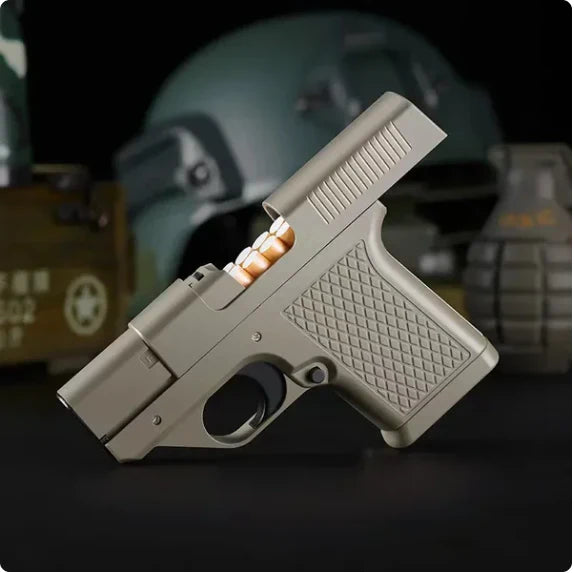
The company offers lighters designed to combine visual appeal with functional reliability in windy conditions, aiming to meet the balance sought by many soft-flame lighter shoppers. Three products in the catalog map directly onto outdoor use cases.
- TORCH LIGHTER: a higher-power option built for exposed tasks where a soft flame would struggle, with flame control suited to firepit starting or windy grill sessions.
- CAMPING ROPE LIGHTER: a portable, rugged design built for campsite ambiance, lighting candles, or quick utility tasks where weight and durability matter more than raw wind resistance.
- Windproof Jet Torch Lighter: the pick for genuine wind resistance, built to start grills and firepits in conditions that would snuff a standard soft flame outright.
The company offers free worldwide shipping on orders over a certain amount, which can benefit customers outfitting camping kits or purchasing multiple items. Each design emphasizes dependable spark ignition to balance style and function for outdoor use.
How Do You Use a Soft-Flame Lighter Outdoors Without Wasting Fuel or Risking a Flare-Up?
Getting a reliable light outdoors is mostly about technique, not luck, and a short pre-check habit prevents most failures before they happen.
- Scan before you strike. Check wind direction, clear away dry grass or leaves, and confirm there is no local burn ban in effect before lighting anything outdoors.
- Shelter the flame. Cup your hand or turn your body into the wind, keep the flame adjustment dialed up slightly for outdoor conditions, and hold steady fuel pressure rather than pulsing the trigger.
- Carry a backup. Keep a windproof torch in your kit for the moment conditions turn, and store spare fuel canisters away from direct heat or your camp stove.
- Shut it down properly. Fully extinguish the flame, close the fuel adjustment and refill port, and store the lighter somewhere dry so moisture doesn’t creep into the ignition mechanism overnight.
Pro Tip: Test your lighter’s wind tolerance at home before a trip by lighting it near a box fan on low. You will learn its real limits in thirty seconds instead of discovering them at the campsite.
When We Pick Soft Flame vs. Torch for Outdoor Kits
We treat soft flame and torch flame as two different tools, not competing versions of the same one. Soft flame earns its place for ambiance, candles, and any sheltered task where the wider flame’s easy control outweighs its wind sensitivity. Torch flame earns its place the moment wind or reliability becomes non-negotiable, which is why Allure Cart builds both into its outdoor lineup instead of forcing one design to do everything. Our honest advice, drawn from how these mechanisms actually behave: never head into exposed terrain with only a soft flame in your pocket. A compact torch as backup costs little in weight and solves the one failure mode a soft flame cannot fix on its own.
— Allurecart
Shop Allure Cart’s Outdoor-Ready Lighters
This company offers an outdoor lighter lineup designed around consistent burner technology aimed at wind resistance, paired with visually appealing designs.
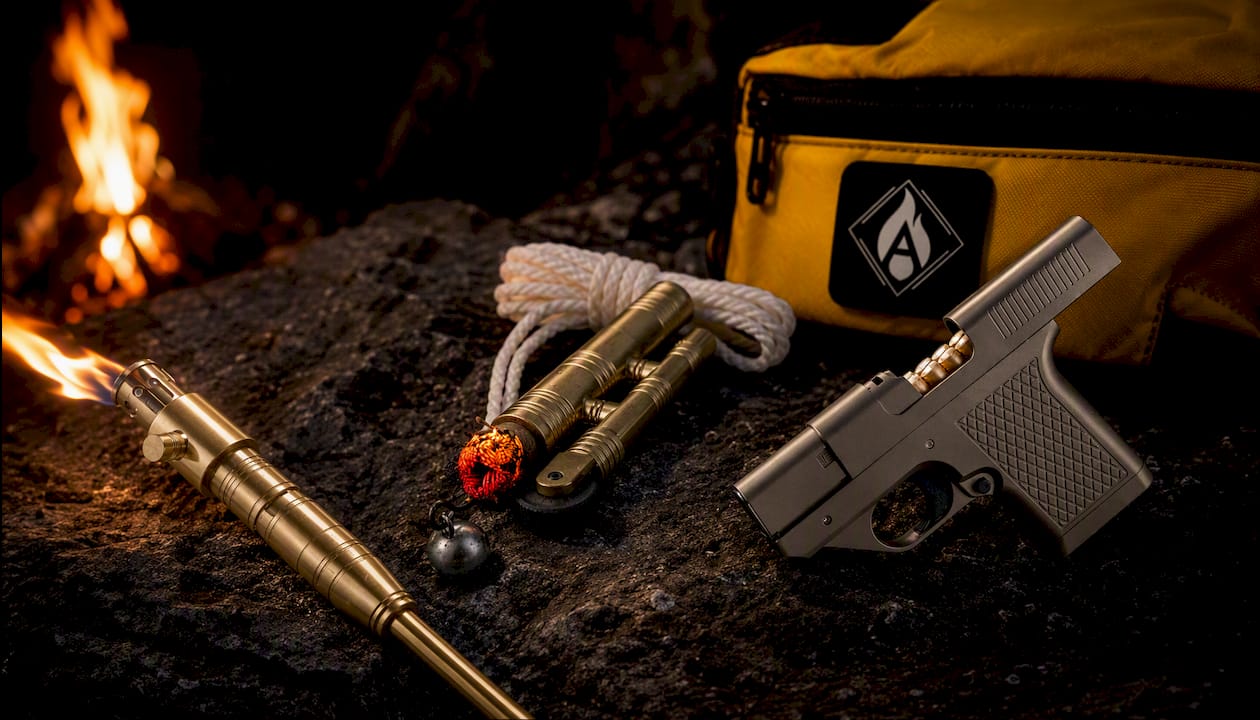
Browse the TORCH LIGHTER for exposed, high-demand outdoor tasks, the CAMPING ROPE LIGHTER for lightweight campsite use, and the Windproof Jet Torch Lighter if wind resistance is your top priority. Orders over a certain amount ship free worldwide, and each lighter includes a warranty and emphasizes dependable spark ignition. If you want to see the full range of designs, from steampunk pieces to modern minimalism, visit the collectible lighters collection or check the accessories collection to round out your kit before your next trip.
Further Reading and Primary Sources
- Infinity Flame fire pit — Solo Stove
- Solar-powered outdoor garden lantern — IP65 product listing
- Feit Electric LED flame-effect outdoor lantern specs
Sources
- Solar-Powered Outdoor Garden Lantern — product listing (IP65 example)
- Infinity Flame fire pit — Solo Stove
FAQ
What Are the Best Soft-Flame Lighters for Outdoor Use?
The best soft-flame lighters for outdoors combine flame adjustability, a solid piezo or electronic ignition, and at least some hybrid wind-mitigating burner design. Allure Cart’s CAMPING ROPE LIGHTER is built specifically for portable campsite use where a soft flame’s controllable output matters more than raw wind resistance.
What Is the Best Lighter for Outdoors Overall?
For genuinely exposed conditions, a windproof torch or hybrid jet beats a standard soft flame every time because its high-pressure flame resists gusts that would snuff a diffused one. Allure Cart’s Windproof Jet Torch Lighter is built for exactly that scenario, from starting grills to lighting firepits in breezy conditions.
What Is Considered a Soft-Flame Lighter?
A soft-flame lighter produces a wide, low-pressure, low-temperature flame from a diffused burner design, similar to a traditional candle-style flame rather than a concentrated jet. It lights easily and looks appealing but is more vulnerable to wind than a torch flame.
What Is a Lighter With Both a Torch and a Soft Flame?
That describes a hybrid or dual-flame lighter, which uses a burner geometry that partially focuses the flame to improve wind resistance while still retaining some of the wider, softer shape. These designs trade a bit of flame width for meaningfully better performance in light-to-moderate wind, though true windproof torches still outperform them in sustained gusts.