

Sealed disposable butane is the most reliably practical ignition method for outdoor use, precisely because it survives neglect better than anything else in your pack. Carry it as your primary flame source, then back it up with a weather resistant torch lighter or a ferrocerium rod so you’re never down to a single point of failure. That redundancy rule, two independent ignition methods, always, separates people who stay warm from people who don’t. The collectible and accessory lines from some companies can fit both roles.
TL;DR:
- Sealed disposable butane lighters provide the highest reliability for outdoor ignition, with about 3,000 ignitions per unit in normal conditions.
- Cold temperatures below 32°F significantly impair fuel vaporization in soft-flame and naphtha lighters, so warming devices with body heat is essential.
- Wind-resistant options like torch or jet lighters outperform soft-flame models in gusty conditions, but they are more prone to nozzle clogging and internal wear.
- Regular maintenance and proper fueling with triple-refined butane greatly improve longevity and performance of refillable lighters, especially in harsh environments.
- Carrying two independent ignition methods, such as a disposable lighter and a ferrocerium rod, is critical to ensure fire-starting in all scenarios.
Table of Contents
- Understanding Reliable Lighter Ignition: How Each Type Performs Outdoors
- How Cold, Wind, and Moisture Affect Ignition Reliability
- Maintenance and Fuel Practices That Actually Improve Reliability
- How to Choose a Reliable Lighter and Build Your Kit
- What Allurecart’s Lighters Bring to the Reliability Checklist
- A Real-World Kit and Routine That Keeps Working
- Which Allurecart Lighter Fits Your Outdoor Kit?
- Sources
- FAQ
Understanding Reliable Lighter Ignition: How Each Type Performs Outdoors
Every ignition method fails differently, and knowing the failure mode matters more than knowing the marketing copy. Here’s how the six main types actually behave once you’re away from a kitchen counter.
Butane disposables use a simple soft flame fed by pressurized gas and a flint wheel spark. They’re mechanically simple, which is exactly why they’re dependable. BIC’s own performance data shows a standard disposable butane lighter delivers roughly 3,000 one-second ignitions per unit, the highest per-start reliability of any common ignition type in normal conditions. The main threats to a disposable are fuel evaporation through the valve over long storage and cold weather pressure loss.
Refillable butane (soft flame) lighters work the same way but let you top off fuel indefinitely. Reliable in mild weather, but they inherit the same cold sensitivity as disposables, plus a new risk: air pockets from sloppy refills that cause weak or sputtering flames.
Torch or jet lighters push butane through a narrow nozzle for a concentrated, wind resistant flame. Field & Stream’s testing found torch lighters excel in wind but are more prone to nozzle clogging from impure fuel and internal valve wear than soft-flame models.
Plasma or arc lighters skip fuel entirely, using a small battery to jump an electric arc between two electrodes. They shrug off wind and altitude, but they’re only as reliable as their charge level, and dead batteries in the backcountry don’t recharge themselves. Electrode fouling from dust and moisture is the other common culprit.
Naphtha lighters (the classic Zippo-style design) use a wick and cotton fuel reservoir under a flint wheel. Naphtha evaporates through the case seams over weeks, so a Zippo left sealed in a drawer for a month often won’t light on the first try.
Ferrocerium rods throw sparks by scraping a metal alloy with a striker. No fuel, no battery, almost no failure mode besides a worn-down rod or a wet striker surface, which is exactly why survival instructors treat them as the ultimate backup.
How Cold, Wind, and Moisture Affect Ignition Reliability
Temperature does more damage to a lighter than rough handling ever will. Butane’s vapor pressure drops sharply as the mercury falls, and guidance from prep resources puts the effective failure threshold around 32°F, or 0°C for many disposable and refillable units. Below that, the liquid fuel struggles to vaporize fast enough to feed a spark, and you get dry clicks instead of flame.
The fix is simple body heat. Keep your primary lighter in an inner clothing layer rather than an outer pack pocket, and warm it against your skin for a minute or two before you need it.
Wind is a different problem entirely. Soft-flame butane and naphtha wicks both get smothered easily, while torch lighters and arc units resist gusts far better because of how they generate flame or spark.
For wet conditions, follow this sequence:
- Store your primary lighter in a sealed waterproof sleeve or small dry bag, never loose in a pocket.
- If it gets soaked anyway, shake out visible water and blow gently across the flint wheel or electrodes.
- Let it air dry for several minutes before striking; forcing a wet spark wheel just wears the flint faster.
- If it still won’t fire, switch immediately to your ferro rod backup rather than burning through flint on a flooded unit.
Pro Tip: Keep your backup ferro rod on a cord around your neck or clipped to a shoulder strap, not buried in a pack. The moment your primary lighter fails, you want zero seconds of digging.
Maintenance and Fuel Practices That Actually Improve Reliability
Good maintenance beats good marketing every time, and fuel quality is where most ignition failures actually start. Cheap butane carries impurities that leave residue inside valves and nozzles, which is why gear experts consistently point toward triple-refined butane for anyone running a refillable torch or soft-flame unit. That extra refining step removes the contaminants that clog jets over repeated fills.
Refilling correctly matters just as much as the fuel you choose. Follow this checklist every time:
- Bleed the tank completely before refilling to release any remaining pressure and trapped air.
- Fill slowly, holding the canister upside down and pressing firmly for a full count, not a quick tap.
- Let the lighter sit at room temperature for a few minutes so the fuel settles before you test it.
- Test with two or three ignitions before you rely on it in the field.
Arc lighters need a different kind of upkeep. Electrode fouling from dust and moisture builds up over time, so wipe the contact points with a dry cloth or a bit of alcohol every few trips to keep the arc jumping cleanly. Naphtha units need their own attention: check the wick for fraying and the flint for wear, and top off fuel before any trip longer than a few days since naphtha evaporates steadily through the case seams.
Before you leave the house, run this pre-trip pass:
- Pack a spare fuel can, not just a spare lighter.
- Carry a backup flint or wick if your setup uses one.
- Test-fire every ignition device in your kit, not just the one you plan to use first.
- Store lighters upright, away from direct heat sources, so seals don’t degrade in transit.
How to Choose a Reliable Lighter and Build Your Kit
Choosing well comes down to six checklist items, and most buying mistakes happen when someone weighs style over one of these:
- Fuel retention and seal quality: does it hold fuel for weeks without leaking?
- Wind resistance: soft flame, torch, or arc, and which fits your typical terrain?
- Durability: metal-bodied units consistently outlast plastic housings under drops and rough handling.
- Refillability: disposable convenience versus long-term refillable value?
- Maintenance required: how often does it need cleaning, refilling, or a battery check?
- Weight and packability: does it earn its space in an ultralight load?
For ultralight backpacking, prioritize a sealed disposable butane lighter as your primary, paired with a ferro rod as backup. Total weight stays under an ounce combined, and neither depends on the other to function, which is the entire point of redundancy.
For car camping, weight matters far less than comfort and wind resistance. A torch or jet-style lighter handles cook setups and campfire lighting in gusty conditions, backed by a disposable butane unit stashed in the truck. A long-wand torch style option adds reach for lighting stoves without crouching over an open flame.
What Allurecart’s Lighters Bring to the Reliability Checklist
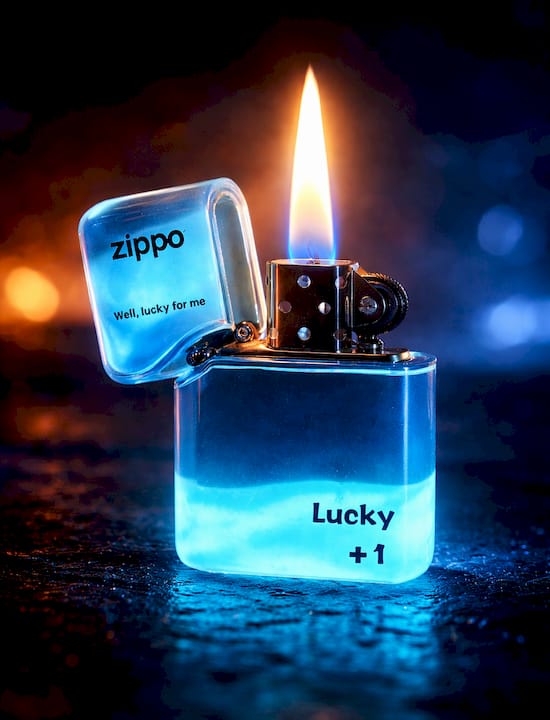
Design and dependability aren’t opposites; they just rarely get built by the same company. Certain collectible lighters are engineered with durable metal shells and windproof spark ignition technology, aligning with key reliability features beyond appearance.
Here’s how the featured product categories line up against real outdoor needs:
- The LUMINO LIGHTER favors wind resistant, high-visibility use, a strong fit for anyone prioritizing torch-style reliability in gusty conditions.
- The CLOCK LIGHTER brings a durable metal shell built for long-term carry, the kind of construction that survives years of pocket wear rather than one season.
- The RETRO LIGHTER suits collectors and everyday users who want refillable, metal-bodied reliability with a vintage aesthetic rather than disposable convenience.
Some companies offer free worldwide shipping on orders over a certain amount, which can help reduce barriers for international customers.
— Allurecart
A Real-World Kit and Routine That Keeps Working
My actual setup lives in three places: a sealed disposable in an inner jacket pocket, a small waterproof case clipped to my pack strap holding a backup lighter, and a ferro rod on a neck cord that never comes off during a trip. Every lighter gets test-fired the night before I leave, not the morning of, so a dead unit doesn’t become a surprise at the trailhead.
Pro Tip: A cheap fireSLEEVE or small waterproof pouch is one of the best five-dollar upgrades you can make. It keeps your backup dry through creek crossings and sudden downpours without adding real weight.
Test everything before you need it. That single habit prevents more cold nights than any gear upgrade.
Which Allurecart Lighter Fits Your Outdoor Kit?
If you’re building a kit around the checklist above, the honest answer is that different Allurecart pieces solve different problems, not one single “best” option. The Windproof Jet Torch Lighter suits anyone who needs wind resistant ignition for cook setups or exposed campsites, while the durable metal shell construction found across the vintage-style line answers the durability line item directly, since metal simply outlasts plastic under drops and rough handling.

For collectors who also want a dependable everyday carry, the LUMINO LIGHTER and CLOCK LIGHTER both bring windproof spark ignition into a design-forward package, while the RETRO LIGHTER fits readers who want refillable, metal-bodied reliability without giving up style. Browse the full collection of lighters to compare builds against your own checklist, and remember that orders over $70 ship free worldwide, no small thing if you’re assembling a full backup kit rather than a single lighter. Pick the piece that matches your kit role, add it to cart, and check out; that’s the entire path from reading this to having a reliable backup in hand.
Sources
The reliability figures and field guidance above draw from a small set of vetted references rather than general assumptions.
- BIC corporate — product performance / consumer guidance
- Field & Stream — Best camping lighters, tested
- PrepNskills — fire-starting methods and failure modes
FAQ
What Is the Most Reliable Lighter for Survival Use?
Sealed disposable butane lighters offer the highest per-start reliability of any common ignition type, delivering roughly 3,000 one-second ignitions per unit in normal conditions. Pair one with a ferro rod backup, since no single fuel-based device should be your only fire source in a survival situation.
What Lighter Performs Better Than a Zippo in Wind and Cold?
Torch or jet-style lighters generally outperform naphtha units like a Zippo in wind, since concentrated jet flames resist gusts that easily snuff a soft flame or exposed wick. Naphtha also evaporates through case seams over weeks, making it a poor choice for long-term sealed storage compared to a fresh disposable or a well-maintained torch lighter.
Which Torch Lighter Design Holds Up Best Over Time?
Metal-bodied torch lighters consistently survive drops and rough outdoor handling better than plastic housings, according to gear reviewers evaluating durable builds. Allurecart’s Windproof Jet Torch Lighter uses this durable metal construction paired with wind resistant spark ignition, matching both the durability and weather resistance items on a reliability checklist.
Which Lighter Type Lasts the Longest in Storage?
Sealed disposable butane lighters hold their fuel charge longer in storage than naphtha units, which lose fuel through evaporation over just a few weeks. Refillable metal lighters last indefinitely with proper maintenance, but only if you refill with clean, triple-refined butane and check seals regularly.
How Many Ignition Methods Should I Carry Outdoors?
Carry at least two independent ignition methods any time reliable fire matters, typically a sealed disposable or refillable lighter as your primary and a ferrocerium rod as backup. This redundancy rule protects against the single most common failure pattern: one device failing at the exact moment you need heat or light most.