

Choose matte if you want a lighter that grips well, hides fingerprints, and feels understated in your hand. Choose glossy if you want maximum shine, bold color pop, and a surface that wipes clean in seconds. The real trade-off comes down to texture versus reflection, and once you know how each finish behaves day to day, the right pick becomes obvious.
TL;DR:
- Matte finishes resist visible scratches and develop a subtle patina over time, making them more suitable for daily carry and forgiving handling.
- Glossy surfaces highlight engravings and colors with vibrant reflection, but scratches are more noticeable and generally harder to restore.
- The coating method, such as powder coat or plating, influences durability and appearance, with premium options more resistant to wear.
- Cleaning varies: glossy finishes need mild cleaners and soft cloths, while matte finishes require gentle dust removal to preserve texture.
- Finish choice should match the lighter’s intended use, with matte or satin for everyday portability and glossy or high-polish for display or gifting.
Table of Contents
- Matte vs Glossy Lighters: How They Look and Feel
- How Scratches and Scuffs Show Up Over Time
- What Finish Terms on Product Pages Actually Mean
- Cleaning and Care for Each Finish
- Quick Buying Checklist: Matching Finish to Use Case
- Why Allurecart Pairs Specific Finishes With Specific Designs
- Featured Finishes Worth a Look
- Sources
- FAQ
Matte vs Glossy Lighters: How They Look and Feel
Run your thumb across a matte lighter and you’ll notice the difference immediately. Matte surfaces diffuse light instead of bouncing it back at you, which is why they read as soft, muted, almost velvety under a lamp. Glossy surfaces do the opposite. They reflect light directly, which makes engravings, colors, and metallic accents look sharper and more saturated, especially under bright store lighting or camera flash.
That reflective quality is exactly why gloss finishes tend to make printed and painted colors appear more vivid, a principle that carries over directly to lighter casings. A glossy black lighter looks deep and almost wet. A matte black one looks flat and quietly expensive, like a piece of gear rather than a trinket.
Handling differs too:
- Matte surfaces offer a slight natural grip, which matters if you’re flicking a lighter one-handed in a windy parking lot.
- Glossy surfaces can feel slick, particularly on smaller or rounder lighter bodies, raising the odds of a slip if your hands are damp or cold.
- Pocket carry favors matte for tactile feedback. You can find it by feel without looking.
- Display and gifting favor glossy for the visual punch it delivers the moment someone opens the box.
Neither texture is objectively better. It depends on whether you reach for your lighter fifteen times a day or set it on a shelf.
How Scratches and Scuffs Show Up Over Time
Every lighter takes hits eventually, whether from keys in a pocket, a drop on concrete, or years of thumb friction on the ignition wheel. Matte and glossy finishes tend to wear in noticeably different ways.
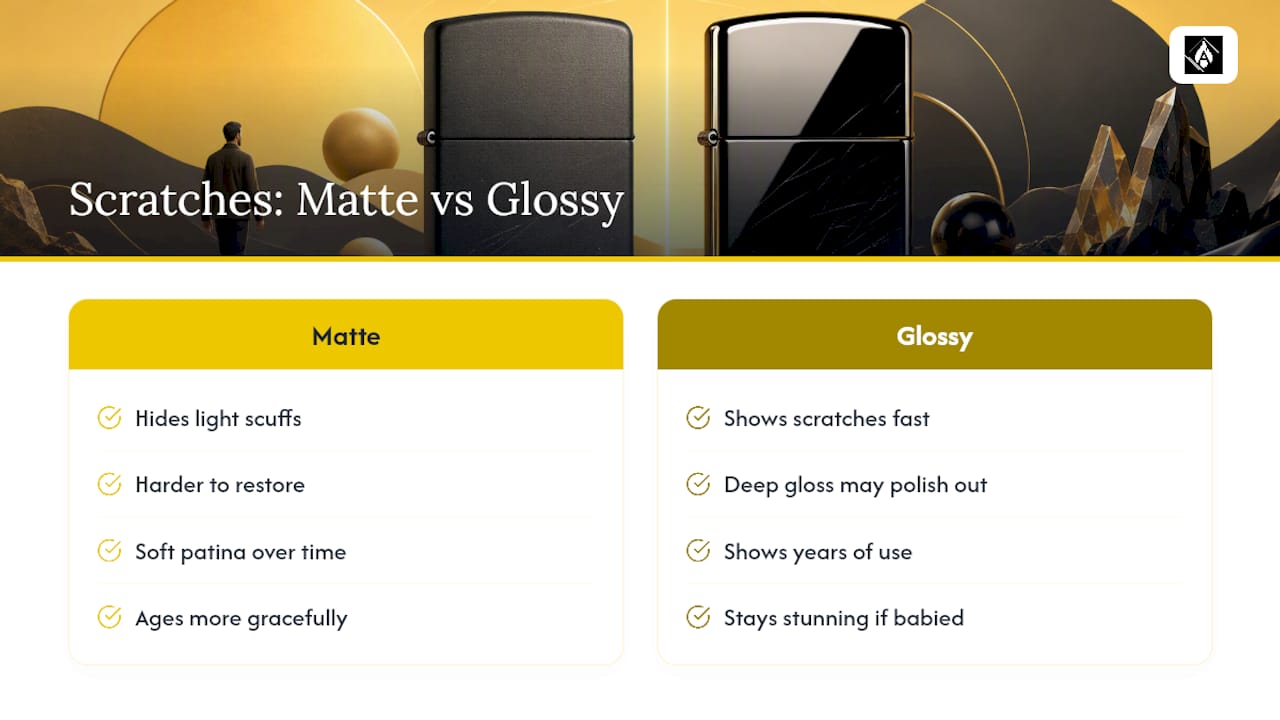
On glossy surfaces, scratches show up fast and look worse than they are. A hairline scuff catches light at a different angle than the surrounding polish, creating a bright, visible line. Matte finishes hide light scuffing far better because there’s no uniform shine to interrupt. That said, matte surfaces are generally harder to restore once damaged, since there’s no simple buffing step to bring back a factory look. A deep gloss scratch can sometimes be polished out. A deep matte scratch usually just stays there.
For everyday carry, matte tends to age more gracefully. It develops a soft patina rather than an obvious battle record. Glossy pieces stay stunning if babied but show every year of use if they’re not.
A few habits protect either finish: keep the lighter in a dedicated pocket or pouch rather than loose with keys or coins, avoid tossing it into a bag where it can rattle against hard edges, and separate it from other metal items during travel.
What Finish Terms on Product Pages Actually Mean
Product listings throw around terms that sound similar but describe different processes. Here’s what they actually mean:
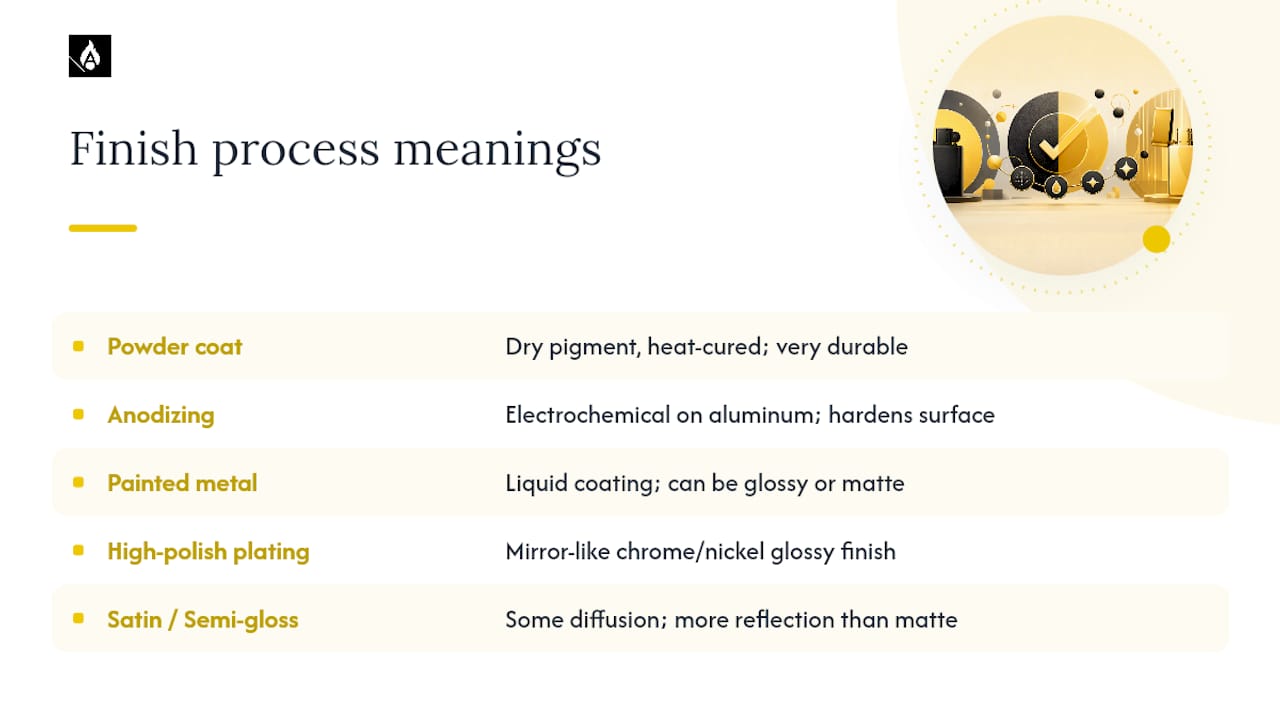
Powder coat applies a dry pigment that’s cured under heat, producing a durable, often matte or satin surface that resists chipping better than paint. Anodizing is an electrochemical process used on aluminum bodies that hardens the surface while allowing color to be locked in, common on satin-finish lighters. Painted or lacquered metal is exactly what it sounds like: a liquid coating applied and cured over the base metal, which can be glossy or matte depending on the topcoat. High-polish plating, often chrome or nickel, is what gives premium lighters that mirror-like glossy shine.
“Satin” and “semi-gloss” sit in the middle of the spectrum, offering some light diffusion with a bit more reflection than true matte. Premium lighters commonly rely on metal alloys and plated or coated finishes specifically because the process affects both how the piece looks and how well it holds up to years of handling.
Cleaning and Care for Each Finish
Keeping either finish looking sharp takes almost no effort, as long as you use the right method.
- Glossy lighters: wipe down with a microfiber cloth and a small amount of mild glass or metal cleaner. Avoid paper towels or abrasive sponges, which can introduce fine scratches that dull the shine over time.
- Matte lighters: use a soft-bristle brush or dry microfiber cloth to lift dust from textured grooves. Skip polishing compounds entirely. They’re designed to add shine, which defeats the purpose of a matte surface and can leave uneven patches.
- Smudges and fingerprints: on glossy pieces, a quick breath-and-wipe often does the trick. On matte pieces, a barely damp cloth followed by immediate drying prevents water spots from setting into the texture.
- Storage: a padded pouch or the accessories case designed for your lighter beats a loose pocket, especially for glossy finishes that scratch more visibly.
Pro Tip: Keep a small microfiber cloth clipped inside your bag or glovebox. A ten-second wipe before your lighter goes back in your pocket prevents the buildup that eventually needs real cleaning.
Quick Buying Checklist: Matching Finish to Use Case
Before you add a lighter to your cart, run through what you actually need it to do. Grip and durability matter for daily carry. Visual impact matters for gifts and display pieces. Some buyers want both, which is where satin or textured finishes earn their place.
Use this rubric while browsing:
- Daily carry, pocket use: matte or satin, for grip and forgiving wear.
- Gift or display piece: glossy or high-polish, for shelf appeal and unboxing impact.
- Mixed use (carried and shown off): satin or semi-gloss finishes split the difference well.
- Collectors prioritizing detail: check whether engravings or etched designs are matte-finished to stay legible under any light.
Scan product pages for three specifics before buying: the coating method (powder coat, anodized, plated), any warranty on ignition or finish, and whether the finish is described as permanent or prone to wearing off with heavy handling. Finish choice is a genuine design signal: matte and satin usually signal a restrained, premium intent, while glossy signals boldness and color impact.
Why Allurecart Pairs Specific Finishes With Specific Designs
Allurecart designs each lighter with finish tied directly to purpose, not as an afterthought. A steampunk or gothic collector’s piece gets a matte or satin treatment because the details read better without glare washing out the engraving. A statement piece meant to turn heads gets a glossy, high-polish treatment because that’s what makes color and metalwork pop under any light.
Every model ships with spark ignition regardless of finish, and larger orders may qualify for free worldwide shipping. The finish is a design decision. The mechanism underneath still has to work every single time.
— Allurecart
Featured Finishes Worth a Look
Allurecart is the place to shop once you know your finish, not just your favorite design. If you’re after something with real presence, the LUMINO LIGHTER leans into a finish built for visual impact, the kind of piece that looks intentional sitting out on a desk or handed over as a gift.
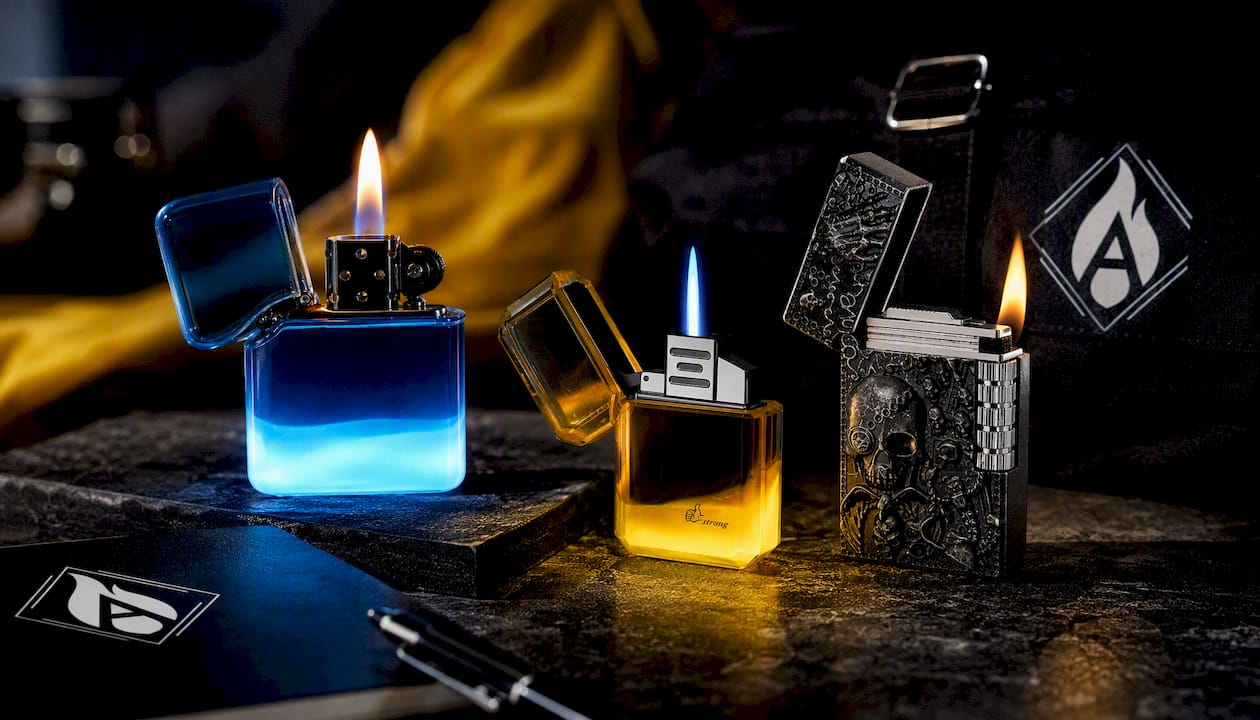
Want easy-clean shine without babying it constantly? The GLOW LIGHTER delivers that glossy, eye-catching surface that wipes down in seconds and photographs well, ideal if you care as much about how it looks in someone’s hand as how it works in yours. If tactile feel and collector-grade detail matter more to you, the LOST SOULS LIGHTER offers the kind of textured, matte character that rewards close inspection rather than glare.
Not sure which direction fits your style? Browse the full collection of lighters to compare finishes side by side, or check the accessories lineup for pouches and cases that keep either finish protected. Pick the piece that matches how you’ll actually use it, then add it to your cart.
Sources
Claims on finish reflectivity, cleaning behavior, and premium lighter materials draw on Soapbox Digital Media’s gloss versus matte guide, Blogarama’s premium lighter breakdown, and the Corona Lighter Guide on lighter types and build differentiators.
- Gloss vs Matt Finish: Which Should You Choose for Your Print? | Soapbox Digital Media
- What is the difference between a premium smoking lighter and a regular lighter? | Blogarama
FAQ
Which Type of Lighter Finish Is Best?
There’s no single best finish, only the best fit for how you’ll use the lighter. Matte wins for daily carry thanks to grip and forgiving wear, while glossy wins for gifting or display because of its shine and color saturation.
What Is Black Crackle?
Black crackle is a textured paint finish that cures into a cracked, matte pattern rather than a smooth surface, often used on vintage-style lighter bodies. It hides fingerprints and minor scuffs exceptionally well, which is part of why it remains popular on classic-style designs like vintage-inspired lighters.
Are Jet Flame Lighters Safe to Use?
Jet flame lighters are safe when used as directed, though their concentrated, high-temperature flame demands more caution around wind and proximity to skin or fabric than a standard soft-flame lighter. Reliable ignition mechanisms and proper fuel levels matter more with jet flames since the flame itself is harder to see in bright light.
What Are the Different Types of Lighters?
Lighters generally break down by ignition mechanism and build: flint-wheel lighters, electric arc or plasma lighters, jet flame (torch) lighters, and classic wick-style lighters. Within those categories, finish, material, and design separate premium collectible models, like match-style or novelty designs, from basic disposables.