

The main lighter fuel types are butane, isobutane/propane blends, naphtha, and charcoal fluid each engineered for a different job. Butane delivers clean, precise heat for torches and everyday carry. Naphtha powers wick-style lighters built for wind and cold. Charcoal fluid exists strictly for grills, never for a personal flame. The rule is simple: match the fuel to the task, respect FAA transport limits, and never cross the streams between systems.
TL;DR:
- Choose butane for windproof, high-temperature flames in torches, but ensure it is high-purity to avoid clogging and sputtering.
- Use naphtha wick lighters for reliable cold-weather ignition, but expect regular refills due to evaporation from the open wick system.
- Never mix charcoal lighter fluid with personal lighters, as it can damage valves and cause clogging; always match the fuel to the specific lighter type.
- Follow FAA rules by carrying fuel in sealed, hand-held devices in carry-on luggage only, and avoid refilling near open flames or in confined spaces.
- Proper maintenance involves purging and using refined fuel for butane lighters and trimming or refilling wick lighters regularly, storing both upright and in ventilated areas.
Table of Contents
- What Are the Different Lighter Fuel Types, and How Do They Work?
- Butane vs Naphtha: A Practical Lighter Fuel Comparison
- Lighter Safety and Airline Rules You Need to Know
- How to Choose the Right Lighter Fuel for Your Needs
- Keeping Your Lighter Running: Maintenance and Storage
- Why Fuel Choice Should Drive Lighter Design, Not the Other Way Around
- Find the Right Lighter for Your Fuel of Choice
- Sources
What Are the Different Lighter Fuel Types, and How Do They Work?
Every flame starts with a fuel system built around a specific chemistry, and the mismatch between them explains most of the clogs, leaks, and dead lighters people blame on “bad luck.” Lighter fluid most commonly refers to three distinct substances: butane, naphtha, and charcoal lighter fluid each with its own job.
Butane is a liquefied petroleum gas stored under pressure inside a sealed reservoir. Squeeze the trigger and it releases through a jet, either as a soft, wavering flame or, in torch models, as a concentrated blue jet capable of hitting temperatures well past 2,500°F. Purity matters enormously here. Cheap butane carries trace oils and moisture that build up inside the tiny jet over time, choking the flame until the lighter sputters or dies.
Isobutane and propane blends show up in refillable canisters and some premium torches because they vaporize more readily in cold air and at altitude. Pure butane’s boiling point sits around 31°F, so on a cold ridge line a straight butane torch can struggle to ignite. A propane blend keeps enough vapor pressure to fire reliably even when temperatures drop.
Naphtha, the fluid behind every Zippo-style wick lighter, is a light petroleum distillate. Instead of living in a sealed tank, it soaks into cotton wadding inside the lighter’s body. The wick draws it upward by capillary action, and it burns off cleanly at the tip, which is also why it evaporates steadily even when the lighter sits untouched in a drawer.
Charcoal lighter fluid is a different animal entirely: a petroleum solvent formulated to soak into charcoal briquettes and burn slowly. It is not designed for personal lighters and should never touch one.
A smaller category, niche fuels like denatured alcohol or kerosene, powers specialty lamps and camp stoves but rarely shows up in pocket lighters. Electric arc lighters skip fuel entirely, relying on a rechargeable battery to throw a plasma beam, though that convenience comes with its own charging and transport quirks covered below.
- Butane: sealed, pressurized, ideal for torches and clean burns
- Isobutane/propane blends: better cold and altitude performance
- Naphtha: absorbed into wadding, evaporative, wick-based
- Charcoal fluid: solvent for briquettes only, never for lighters
- Niche fuels: alcohol, kerosene, and electric arc systems for specialty use
Butane vs Naphtha: A Practical Lighter Fuel Comparison
Choosing between fuels comes down to four practical questions: how it smells, how it performs in wind and cold, how much upkeep it demands, and how fast it disappears from the tank.
Odor and taste. Butane burns essentially odorless, which is why cigar smokers and culinary torch users lean on it almost exclusively. Naphtha carries a faint petroleum smell that can linger on fingers and, if you light up too quickly after refilling, on the first few puffs of a cigar or the surface of a crème brûlée.
Wind and cold. Torch-style butane lighters cut through wind far better than a Zippo-style flame, and they run hotter, which is exactly why culinary and cigar communities favor them for outdoor use. Soft-flame butane, though, tends to struggle in genuinely cold conditions since the gas needs enough ambient heat to vaporize. Naphtha wick lighters are the quiet winner here: they light reliably at low temperatures where a butane lighter might just hiss.
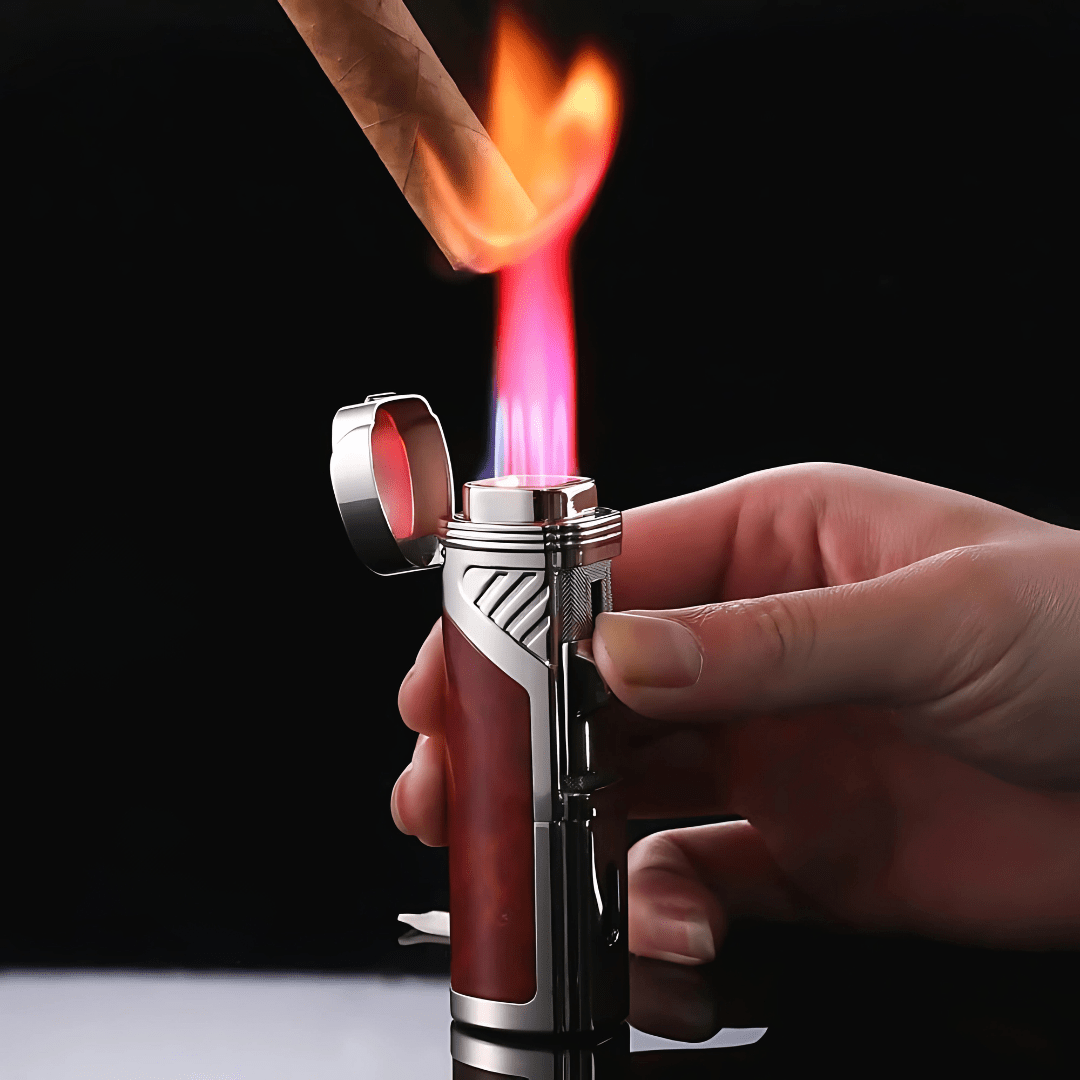
Maintenance and evaporation. Butane systems are sealed, so they hold fuel indefinitely until used, but they demand purity to avoid clogged jets. Naphtha systems are open, so the fluid evaporates through the wick even in storage, which means more frequent refills.
Statistically speaking, the difference in evaporation behavior between the two systems is the single biggest reason wick-lighter owners refill weekly while a sealed butane torch can sit untouched for months and still fire on the first click.
Quick decision checklist:
- Cigars or fine food: butane, for a flavorless flame.
- Camping or cold mornings: naphtha wick, for low-temperature reliability.
- Windy outdoor use: torch-style butane, for a jet that won’t blow out.
- Everyday carry with minimal fuss: sealed butane, for long dormant storage.
- Grill starting: charcoal fluid, never a personal lighter.
Lighter Safety and Airline Rules You Need to Know
Traveling with a lighter is more regulated than most people expect. According to FAA guidance, common lighters are typically allowed in carry-on bags only, with specific restrictions on absorbed liquid fuel and torch-style butane lighters, and they are generally barred from checked luggage.
Battery-powered arc lighters follow their own rule set. The FAA requires that lithium battery lighters travel in carry-on only, with the device protected against accidental activation and its watt-hours kept within limit. Recharging one mid-flight isn’t permitted.
Safe handling on the ground matters just as much:
- Refill in a ventilated space, away from open flames or pilot lights.
- Never overfill a butane reservoir, since excess pressure can force leaks around the seal.
- Store wick lighters upright to limit naphtha seepage into the felt pad underneath.
- Purge a butane lighter (a brief press without ignition) before long-term storage to release trapped gas.
Many lighter mishaps reported anecdotally by retailers trace back to overfilling or refueling too close to an ignition source, which is exactly the habit these steps are meant to break.
How to Choose the Right Lighter Fuel for Your Needs
Start with the lighter itself, not the fuel aisle. A torch or jet lighter is built exclusively for butane. A wick lighter is built exclusively for naphtha. Mixing them up isn’t a minor inconvenience; it can ruin the mechanism.
Run through this checklist before buying fuel:
- Confirm your lighter type: torch/jet means butane, wick means naphtha.
- Check your environment: cold camping trips favor naphtha or a propane blend; windy patios favor torch butane.
- Weigh taste sensitivity: cigar and food use call for butane’s near-zero odor.
- Read the label: look for “multi-refined” or triple-refined claims, which signal lower impurity levels.
Pro Tip: After refilling a naphtha wick lighter, let it sit uncapped for sixty seconds before lighting. That brief burn-off window clears surface fumes that would otherwise taint the first flame near food or a fine cigar.
Never load naphtha into a butane jet lighter, and never substitute charcoal fluid for either. Both mistakes clog seals or damage valves that aren’t built to handle them. If your torch lighter’s nozzle ever hisses without a strong flame, that’s usually a fuel purity issue, not a mechanical failure, and it’s worth testing a premium multi-refined butane before assuming the lighter itself is broken.
Keeping Your Lighter Running: Maintenance and Storage
A butane torch lighter rewards a little discipline: purge old gas before refilling, use high-refined fuel, and if the jet still sputters after a fresh fill, the internal valve likely needs cleaning or professional service.
Wick lighters need a different rhythm. Trim the wick when the flame starts leaning or sputtering, replace the flint when sparks weaken, and refill naphtha every week or two depending on how often you strike it.
- Store both types upright, away from heat sources.
- Wipe spills immediately; naphtha residue attracts dust and grime.
- Collectors should keep display pieces purged of fuel to prevent long-term seal degradation.
Why Fuel Choice Should Drive Lighter Design, Not the Other Way Around
Too many buyers pick a lighter for its looks and discover the fuel mismatch later, usually after a clogged jet or a felt pad soaked in evaporated naphtha. Allurecart designs around the fuel first. A torch model gets a jet built for high-refined butane and sustained heat; a wick-style model gets wadding and a flint assembly sized for naphtha’s slower burn and steady evaporation. That’s a deliberate tradeoff, not an afterthought, and it’s the difference between a lighter that survives a decade and one that dies in a season.
— Allurecart
Find the Right Lighter for Your Fuel of Choice
Once you know which fuel fits your habits, the next step is matching it to hardware built for that exact job, not a lighter that merely tolerates it. Allurecart’s JET LIGHTER is built for butane purists who want a precise, windproof flame for cigars, culinary work, or everyday carry, with a jet designed to resist the clogging that plagues cheaper torches.
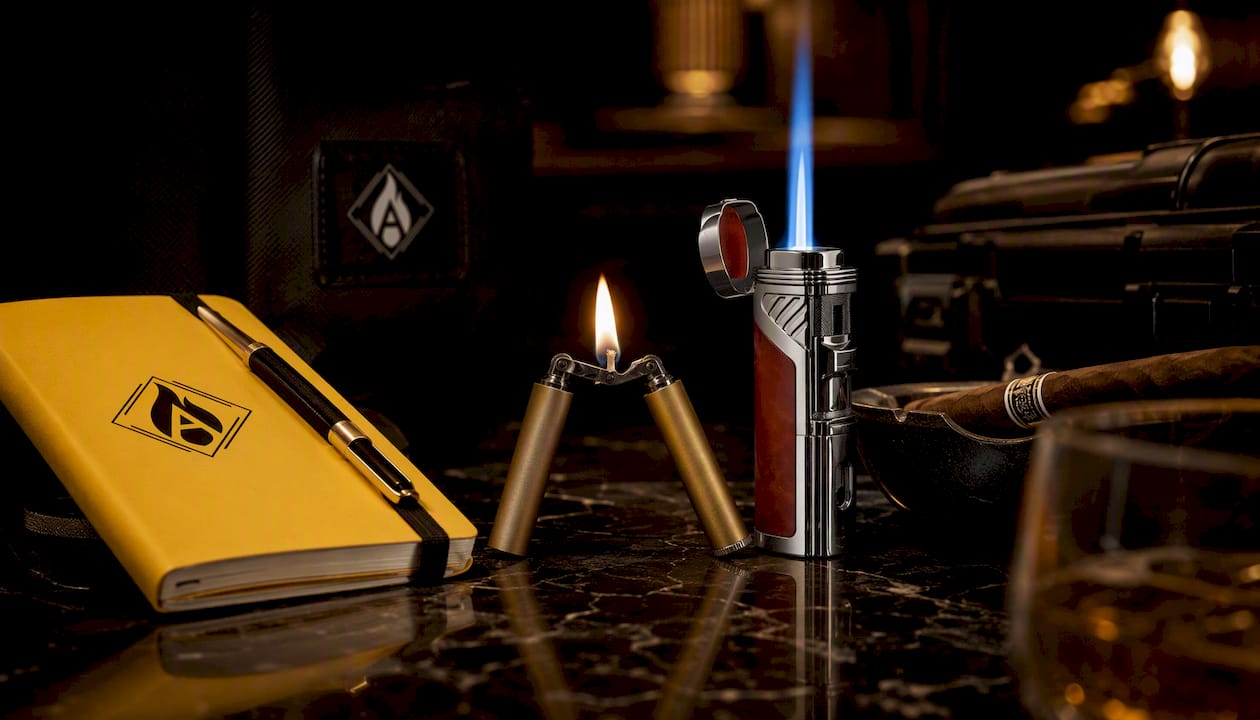
If your priority is wick-style reliability with genuine character, the WW1 TRENCH LIGHTER pairs naphtha’s cold-weather dependability with a design collectors actually want to display, not just carry. Before you buy either, check the product page for fuel type, refill method, materials, and warranty terms so the lighter matches how you’ll actually use it. Free worldwide shipping applies on orders over $70, so pairing a torch and a wick lighter together is worth considering if you want both bases covered.
Sources
- FAA — How to travel with lighters, matches and smoking materials
- Lighter fluid — Wikipedia
- Butane Lighter Fluid vs. Zippo Lighter Fluid — eathealthy365
- Best butane fuel for torch lighters — LighterPoint