

Bleed your butane lighter the moment it sputters, hesitates, or refuses to hold a flame, and always before refilling with fresh fuel. Trapped air is the culprit almost every time, and clearing it takes less than five minutes. Work away from open flames and vents, keep your face clear of the valve, and treat this as routine upkeep rather than a last resort. Most lighters snap back to life with one clean bleed and refill cycle.
TL;DR:
- Bleeding a lighter releases trapped air, which can block fuel flow and cause sputtering or flickering flames, and should be done regularly before refilling.
- Use a small screwdriver to gently depress the fill valve while inverted until hissing stops, repeating the process several times to clear air pockets.
- After bleeding, refilling with short bursts and letting the fuel warm for a few minutes produces a steady flame, especially with high-purity butane.
- Maintaining high-quality fuel and a matched nozzle adapter reduces air ingress and prolongs the time between necessary bleedings.
- Reliable, maintenance-friendly lighters from brands like Allure Cart last longer and resist internal wear, making routine upkeep more effective.
Table of Contents
- How Do Air Pockets Form Inside a Butane Lighter?
- How Do You Bleed a Butane Lighter Step by Step?
- How Do You Refill and Test a Butane Lighter After Bleeding?
- How Often Should You Maintain a Butane Lighter to Prevent Air Buildup?
- What Makes Allure Cart Lighters Easier to Maintain?
- Why Most Bleeding Advice Skips the Part That Actually Matters
- Find a Lighter Built for Easy Maintenance
- Sources
How Do Air Pockets Form Inside a Butane Lighter?
Every time you use a lighter, butane burns off and something has to fill that space inside the tank. That something is air, drawn in through the valve as pressure equalizes. Refilling makes it worse. Pressing a butane can against the fill valve without holding a steady angle traps bubbles alongside the fresh gas, and those bubbles don’t burn. They just sit there, blocking the fuel line’s smooth path to the jet.
An air pocket doesn’t stop a lighter outright. It interferes with the injection process, so you get inconsistent results instead of a clean failure.
- Torch (jet) lighters show it as a sputtering flame, a weak roar instead of a steady jet, or a flame that dies seconds after ignition.
- Soft-flame lighters tend to flicker, burn low and yellow instead of blue, or need several clicks before catching at all.
Both problems trace back to the same cause: fuel fighting past pockets of air it can’t push through cleanly.
How Do You Bleed a Butane Lighter Step by Step?
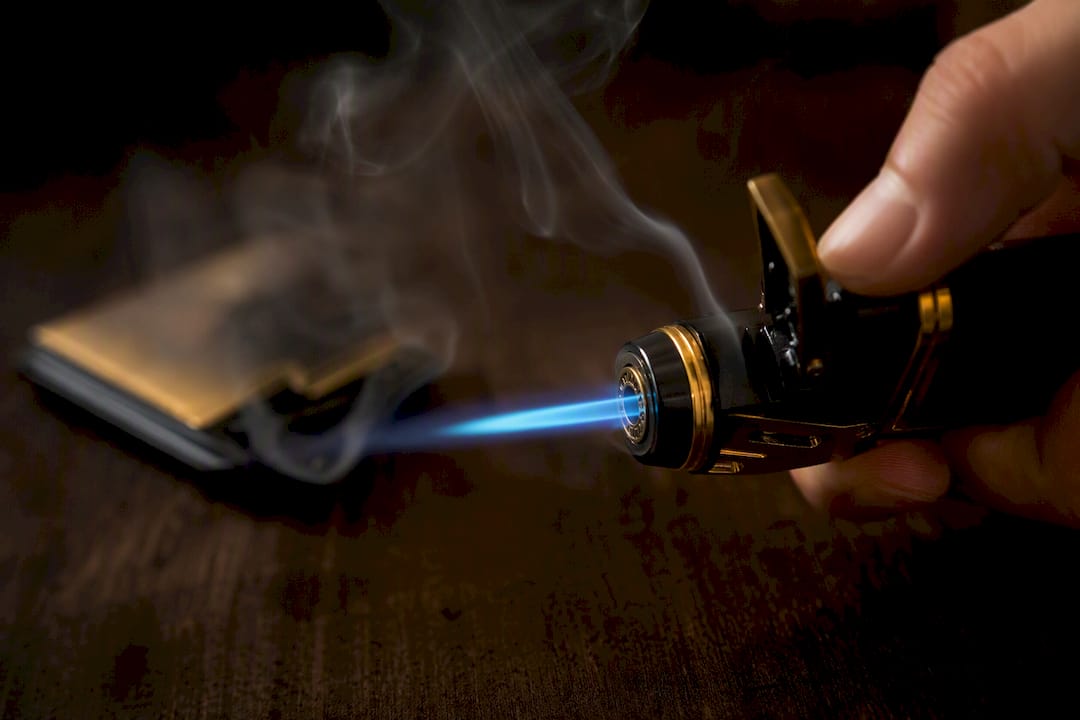
Bleeding a butane lighter is a mechanical fix, not a chemical one. You’re releasing trapped gas and old fuel so the tank can accept a full, clean charge of fresh butane, which is exactly why bleeding a torch lighter restores steady flame performance in the first place.
What you’ll need:
- A small flathead screwdriver or a dedicated bleed tool
- Safety glasses (optional, but smart)
- A soft cloth for wiping the valve
Before you touch the valve, let the lighter cool completely if it’s just been used, turn the flame adjustment down to its lowest setting, and move to a well-ventilated space away from candles, stoves, or anything with a pilot light.
- Turn the lighter upside down so the fill valve points toward the floor.
- Press the flathead tip gently into the valve and hold it down.
- Listen for a hissing sound. That’s trapped air and residual butane escaping.
- Hold until the hissing stops completely, usually five to ten seconds.
- Shake the lighter lightly and repeat the process two or three more times until no hissing remains.
- Wipe the valve with your cloth to clear any residue before refilling.
This matches the standard bleed procedure used across most cigar and lighter maintenance guides: invert, depress, listen, repeat.
Pro Tip: Skip the pen. A ballpoint cartridge can rupture under pressurized gas, and you don’t want ink or plastic shrapnel anywhere near your hand. A cheap eyeglass screwdriver works better and costs less than a coffee.
Keep your face and fingers away from the valve opening while gas is escaping, and never bleed near sparks or an active flame source. If the sputtering persists after three or four clean bleed cycles, or you notice cracks, warping, or a bent valve stem, stop. That’s a sign of internal damage a bleed won’t fix, and it calls for professional repair rather than repeated attempts.
How Do You Refill and Test a Butane Lighter After Bleeding?
Once the hissing stops and the tank sits empty, refilling is straightforward, but the technique matters as much as the bleed did.
- Keep the lighter inverted, valve down, exactly as you did during bleeding.
- If your butane can includes a nozzle adapter, match it to the fill valve before pressing down.
- Press the can’s nozzle into the valve in short one to two second bursts rather than one long hold, which gives trapped air less chance to sneak back in.
- Stop when you feel slight resistance or hear the fill tone change; overfilling stresses the seal.
Butane comes out of the can cold, and that cold fuel needs time to reach a stable pressure before it ignites reliably. Letting the lighter sit for a few minutes after filling allows the gas to warm and settle, typically somewhere between one and ten minutes depending on ambient temperature.
Test the flame once it’s warmed. A torch lighter should produce a tight, roaring blue jet; a soft-flame lighter should burn a clean, steady blue with barely any yellow at the tip. If the flame still sputters, run one more short bleed cycle, try a different can of butane, or check the jet for buildup before assuming the lighter itself is failing.
How Often Should You Maintain a Butane Lighter to Prevent Air Buildup?
Prevention beats repeated troubleshooting, and it starts with what you put into the tank. High-purity butane, often labeled 5x refined or higher, burns cleaner and leaves less residue than bargain-bin cans, which means fewer clogged jets and less frequent bleeding overall.
- Bleed the lighter regularly before refilling, even if it seems to be working well.
- If you use your lighter daily, consider bleeding it frequently between refills.
- Watch for early warning signs: light spitting, a flame that takes two or three clicks to catch, or a jet that sounds thinner than usual.
- Use a can with a nozzle adapter sized to your lighter’s valve, since a matched adapter reduces air ingress during the fill itself.
- Store lighters in a cool, dry place. Heat and humidity both accelerate seal wear.
- Clean visible jet buildup with a soft brush or compressed air rather than a pin, which can widen or damage the opening.
Pro Tip: Pair high-purity butane with a matched adapter and you’ll cut your bleeding frequency dramatically. Most owners who make this switch go from a monthly ritual to an occasional one.
If a lighter needs bleeding every few days despite clean fuel and proper technique, the valve seal itself may be worn. That’s a job for a repair specialist or a replacement, not another bleed cycle.
What Makes Allure Cart Lighters Easier to Maintain?
Allure Cart builds every lighter around two priorities that matter most once you’re the one doing the maintenance: dependable spark ignition and mechanisms that don’t fight you during a bleed or refill. A well-machined valve makes the difference between a five-second bleed and a frustrating ten-minute session.
Three designs in particular hold up well for owners who refill regularly:
- LOST SOULS LIGHTER pairs a striking design with a valve built for repeated refilling without wear.
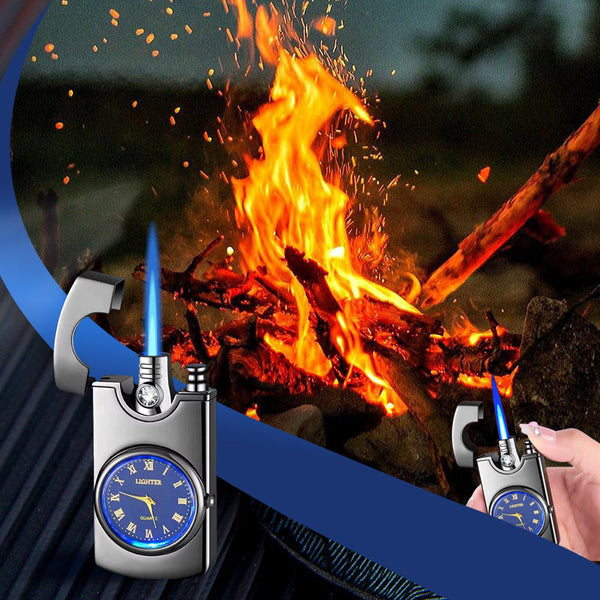
- Windproof Watch Lighter uses a windproof torch design that stays reliable outdoors, where sputtering from a stray breeze is often mistaken for trapped air.
- GRENADE LIGHTER brings durable construction that tolerates the inversion and pressure of frequent bleeding without loosening at the seams.
Anyone shopping for a new torch-style lighter can browse the full collection of unique lighters built with the same maintenance-friendly approach.
Why Most Bleeding Advice Skips the Part That Actually Matters
Most guides treat bleeding as an emergency fix, something you do once a lighter has already failed you in front of someone. That framing gets it backward. The lighters that go five years without a stubborn sputter are the ones bled routinely, not the ones rescued after they quit.
The conventional advice also underplays fuel quality. A perfect bleed technique paired with cheap, unrefined butane just means you’ll be back at the valve again in two weeks. Purity and technique aren’t separate fixes. They work together, and skipping one undercuts the other.
If you take one thing from this, prioritize the habit over the emergency response. Bleed before every refill as a matter of routine, not a diagnostic step you reach for only after the flame lets you down. A lighter that’s maintained on schedule rarely gives you the sputtering, hesitant flame that sends people searching for a fix in the first place.
— Allurecart
Find a Lighter Built for Easy Maintenance
A smooth bleed and refill routine only goes as far as the lighter allows it to. Cheaper valves wear out fast under repeated pressure, which turns a five-minute maintenance habit into a monthly frustration. Allure Cart designs every lighter with refill-friendly valves and dependable ignition in mind, so the process you just learned stays quick instead of becoming a chore.
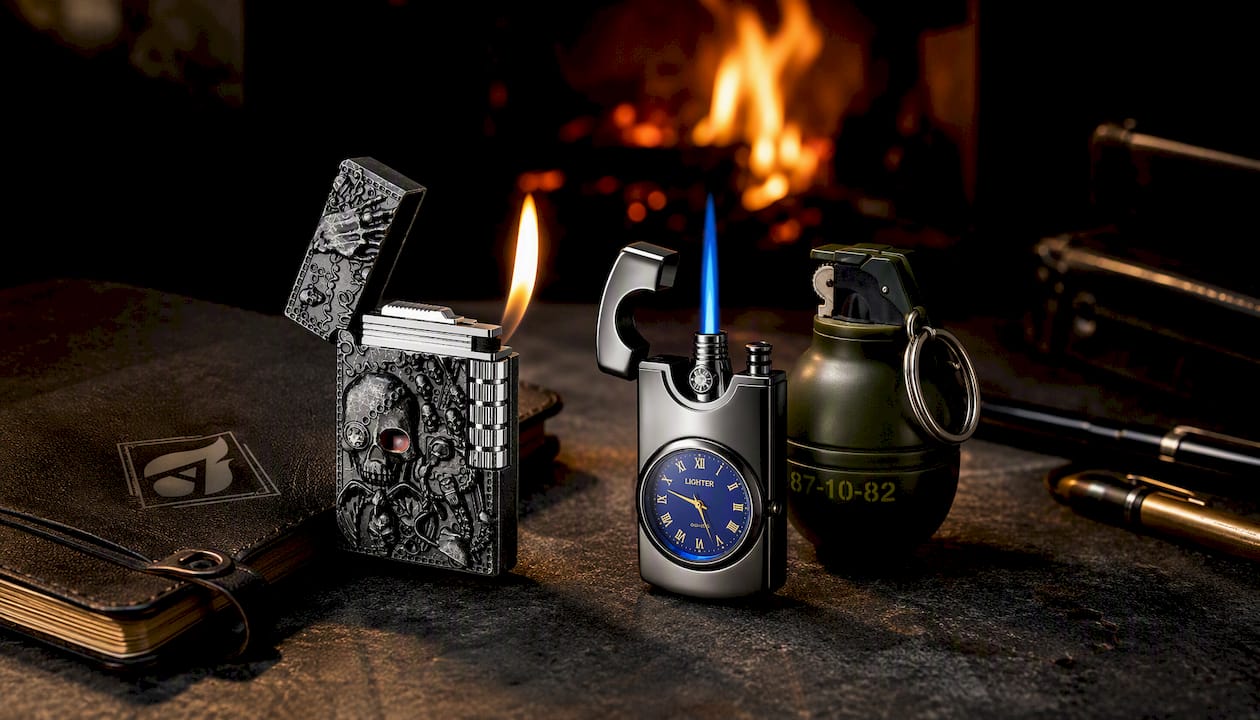
If you’re maintaining an older lighter that’s starting to fight back no matter how carefully you bleed it, it might be time for an upgrade rather than another repair attempt. The Windproof Watch Lighter holds a steady flame in conditions that would sputter out a lesser torch, and the GRENADE LIGHTER is built to handle the wear that comes with frequent refilling. Check either product page, compare it against what you’re currently maintaining, and see which one fits how you actually use your lighter.
Sources
- How To Bleed & Maintain a Torch Lighter
- Guide to Bleeding and Cleaning a Butane Lighter
- How to Bleed a Butane Lighter: Step-by-Step Guide