

The flame adjustment control sits at the base of your lighter, usually a small screw or slide marked with a “+” and “-.” Turn it toward “+” to raise the flame and toward “-” to bring it down, aiming for a steady blue cone of moderate flame height suitable for efficient burning. Only make this adjustment when the lighter has cooled and you are in a ventilated space away from anything flammable.
TL;DR:
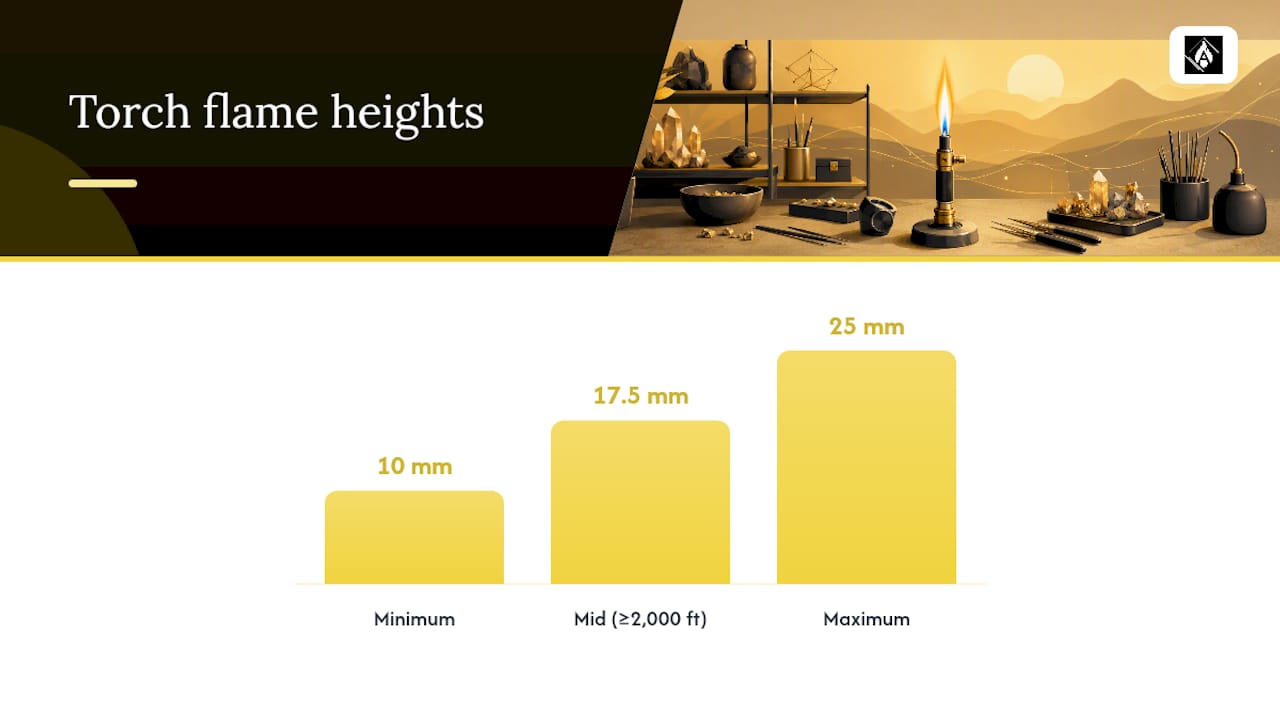
- Keep the flame height within 10 to 25 millimeters to ensure a clean and stable burn without stressing the valve or wasting fuel.
- Always perform adjustments in a ventilated area, with the lighter cooled and checked for leaks or blockages prior to modification.
- Purge the reservoir and refill with high-purity butane, waiting at least five minutes to prevent sputtering and inconsistent flames.
- Avoid increasing the flame beyond mid-range, especially at high altitudes above 2,000 feet, to prevent erratic behavior and potential leaks.
- Routine maintenance, including nozzle cleaning and proper storage, helps sustain accurate flame adjustment and prolongs the life of collectible or functional lighters.
Table of Contents
- Safety Checks Before You Adjust Torch Flame Settings
- Step-By-Step: How to Adjust Torch Flame Height and Shape
- Why Won’t My Torch Lighter Flame Stay Steady?
- Maintenance That Keeps Your Adjustment Holding
- Why Flame Adjustment Matters More for Collectible Lighters
- Our Take: Stop Chasing a Bigger Flame
- Torch Lighters Built for Reliable Flame Control
- Sources
Safety Checks Before You Adjust Torch Flame Settings
Before you touch that screw, run through a quick mental checklist. A torch lighter is a small pressurized fuel vessel, and rushing the process is how burns and busted valves happen.
- Work in a ventilated area, away from curtains, papers, or anything else that catches fire easily.
- Disengage any continuous-flame lock and make sure the ignitor button is fully released before you start.
- If you just refilled, wait 5 to 10 minutes for the lighter to cool and the fuel to settle before igniting or adjusting anything.
- Check the fuel valve area for visible leaks, hissing, or a butane smell. If you notice any, stop and let it vent fully.
- Grab a small flathead screwdriver (many lighters ship with their own tool), a can of compressed air for the nozzle, and a soft cloth for handling the metal body.
Pro Tip: Set your lighter on a flat, nonflammable surface while you adjust it. A stable base keeps your hand steady and away from the flame path if it ignites unexpectedly during testing.
Step-By-Step: How to Adjust Torch Flame Height and Shape
Once your prechecks are done, the actual adjustment is fast. The goal is to move gradually rather than crank the dial and hope for the best.
- Start at minimum. Turn the adjustment screw or slide fully toward “-.” This is standard practice recommended in manufacturer flame adjustment guidance, which also notes that after refueling you should give the gas a few minutes to stabilize before testing.
- Ignite and observe. Light the torch at this low setting. You should see a small, controlled flame, not a violent burst.
- Increase gradually. Turn the flame height control in small increments toward “+,” reigniting between adjustments if the flame goes out.
- Watch the flame shape. You’re looking for a steady blue cone with minimal yellow tipping. Yellow flickering usually means the air-to-fuel mixture is off, not that you need more fuel.
- Adjust to target height. Stop once the flame reaches a moderate height that keeps the flame efficient and stable without wasting butane or scorching whatever it touches.
- Fine-tune air control if present. Some torch models include a separate air-intake lever or wider nozzle opening that shapes flame width. Move it in small steps and watch how the cone changes before locking it in.
The 10 to 25 millimeter window isn’t arbitrary. It’s the range where a properly functioning torch lighter burns cleanly without straining the valve, according to breakdowns of how butane torch lighters function internally. Turning the screw clockwise restricts fuel flow for a smaller flame, and counterclockwise opens it up. Push it too far past that midpoint relative to your reservoir pressure, and the flame gets unstable, especially on a torch that’s already low on butane.
If you’re above roughly 2,000 feet in elevation, don’t max out the flame setting. Thinner air changes the fuel-to-oxygen ratio, so a mid-range setting typically performs better than pushing the dial all the way to “+.” Stop immediately if you hear loud hissing, smell raw butane, or see the flame jumping erratically. Something is wrong with pressure or the valve, and adjusting further will only make it worse.
Why Won’t My Torch Lighter Flame Stay Steady?
A torch that sputters, gutters, or refuses to hold a flame is usually suffering from one of a handful of predictable problems, and most are fixable in minutes.
- Sputtering or weak flame: This is often air trapped in the reservoir or low-quality fuel. Purge the tank completely, refill with high-purity butane, and wait 5 to 10 minutes before lighting again.
- Spark but no flame: The electrode gap may have shifted. Gently nudge the lead wire closer to the valve at the center, then retest ignition.
- Clogged nozzle: Debris or dried residue in the nozzle disrupts flame shape. Clear it with a blast of compressed air or a fine pin. Never widen the nozzle opening to “fix” a weak flame; that changes the flame’s engineering permanently.
- Persistent leaks or damage: If you’ve purged, refilled, and cleaned the nozzle and the lighter still leaks fuel or the valve feels loose, that’s a job for a professional repair service, not another adjustment attempt.
Pro Tip: Cheap butane is the number one hidden cause of flame problems collectors run into. Higher-purity fuel burns cleaner and reduces the residue buildup that clogs nozzles in the first place.
Maintenance That Keeps Your Adjustment Holding
A flame that’s dialed in perfectly today won’t stay that way without a little upkeep. Fill your lighter upside-down using high-purity butane, and always purge the old air out of the reservoir before adding new fuel. This one habit prevents most of the sputtering issues collectors deal with.
- Blow out the nozzle with compressed air every few refills to prevent buildup before it affects flame shape.
- Check the spark gap and igniter alignment periodically, and replace a piezo igniter that’s grown unreliable.
- Store lighters away from direct heat sources and engage the safety lock when not in use. It protects the finish and prevents accidental ignition in a pocket or display case.
Why Flame Adjustment Matters More for Collectible Lighters
A flame set too high isn’t just wasteful, it can scorch plated finishes, warp enamel detailing, and shorten the life of decorative components that make a collectible lighter worth owning. Allurecart designs its lighters with accessible, straightforward adjustment controls precisely because collectors and everyday smokers alike need to dial in flame height without guesswork or disassembly. The brand’s torch lighter collection is built for consistent ignition at the flame ranges outlined above, and every order over $70 ships free worldwide, making it easy to add a properly engineered piece to any collection without added cost at checkout.
Our Take: Stop Chasing a Bigger Flame
Most flame problems we see aren’t mechanical failures. They’re the result of someone cranking the adjustment to maximum, assuming bigger means better. It doesn’t. A flame pushed past the 25 millimeter mark burns through fuel faster, stresses the valve, and on plated or enamel-finished lighters, does slow cosmetic damage that’s hard to reverse.
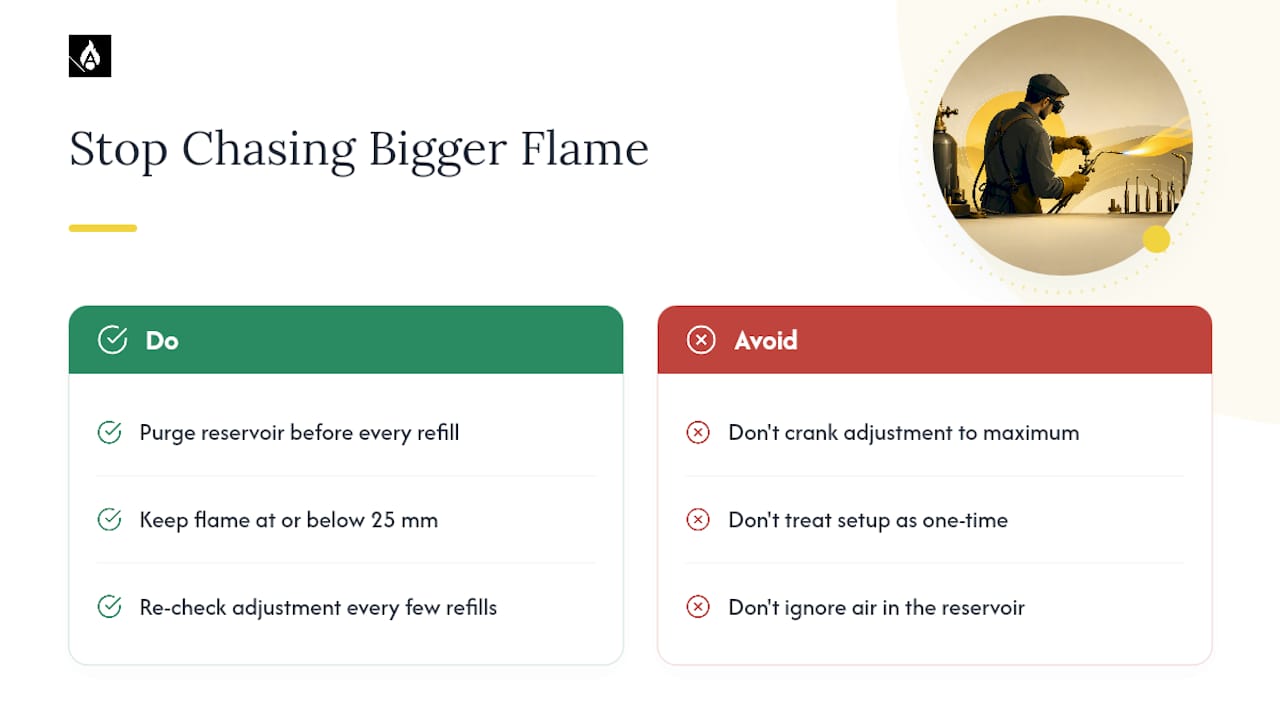
The conventional advice online treats flame adjustment as a one-time setup. It’s not. Fuel purity changes, altitude changes, seals wear. Treat adjustment as routine maintenance, something you revisit every few refills, not a setting you configure once and forget.
If we had to pick one priority for readers to fix first, it’s this: purge before you refill, every time. Air in the reservoir is behind more sputtering complaints than any other single cause, and it’s the easiest one to prevent.
— Allurecart
Torch Lighters Built for Reliable Flame Control
If you’d rather start with a torch engineered for smooth, predictable adjustment out of the box, Allurecart’s lineup covers the range collectors and everyday users actually need.
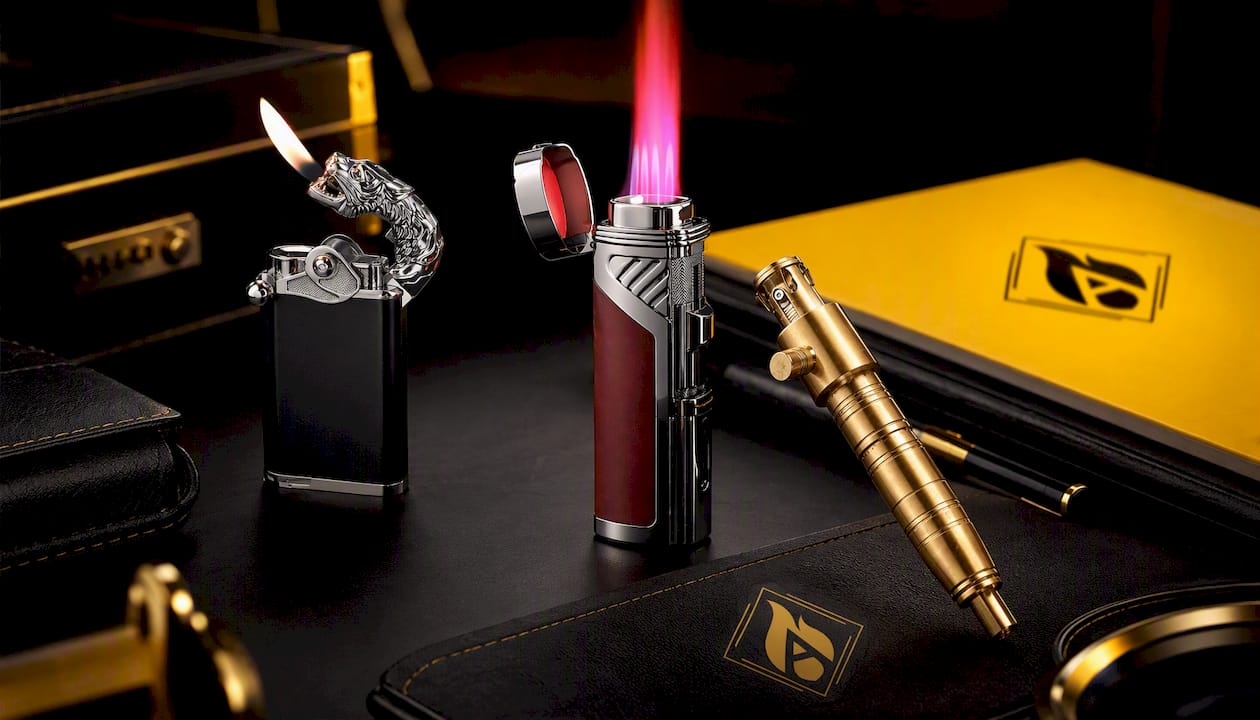
- JET LIGHTER — a windproof, high-intensity torch built for a stable flame in tough conditions.
- TORCH LIGHTER — a balanced option for daily carry and collectors who want dependable ignition.
- TIGER LIGHTER — a distinctive collectible piece with reliable ignition and easy-access adjustment.
Every one of these ships with accessible flame controls, so you’re never guessing where the adjustment screw is or which direction increases output. Orders over $70 ship free worldwide. Browse the full lighter collection and find the torch that fits how you actually use it.
Sources
- My Butane Lighter Won’t Light
- Creme Brulee Set Manual (flame adjustment and use guidance)
- Common lighter problems and how to fix them
- How does a butane torch lighter work?